
Before the Approvals Arrive: Norway, Germany, Switzerland, the UK and Estonia at TAIP Conference 2026
Reporting by Ryan Khan.
The Baltic states do not usually feature prominently in the psychedelic field’s map of progress. Instead, the European landscape has been largely dominated by clinics in Zurich, teaching hospitals in Berlin, health technology assessments in Oslo, and university research in London. Until now, Tallinn has not appeared on that map.
That changed on 8–9 October, when more than 270 clinicians, researchers, policymakers, advocates and members of the public gathered at the National Library of Estonia in Tallinn for TAIP 2026, Estonia’s first international scientific conference on psychedelic-assisted therapy. The gathering was organised and hosted by the Foundation for Therapeutic Advancement and Innovation with Psychedelics, an Estonian non-profit that has been quietly building interest in psychedelic-assisted therapy for the past two and a half years.
Across Europe, psychedelics are entering a new chapter, one defined less by proof-of-concept studies and more by implementation and early-access schemes that don’t rely on conventional drug approvals. This month, ALPS convened in Switzerland (9–10 October), SCALE followed in the Czech Republic (13 October), and the KAP International Association’s summit was held in Barcelona (16–18 October). That TAIP chose this moment to plant a psychedelic flag in the Baltics, and that it succeeded in scheduling an international programme of high-calibre speakers, signals the region’s readiness in a way that would have been difficult to imagine several years ago.
What made TAIP 2026 feel particularly distinct wasn’t its size but its structure. Day one was dedicated to clinical research, while day two asked the harder questions of how European nations can move from evidence to system integration. The sequencing appeared to be a deliberate statement of intent. Collectively, the conference felt less like a gathering for scientific pursuit or validation, and more like a concerted effort to address the practical problems of access, reimbursement, and regulation in healthcare systems that were not built with psychedelic treatments in mind.
Audio versions of our articles are generated using artificial intelligence, though the voice model is trained on that of our Editor, Josh Hardman.

Norway: A World-First and Blueprint in Progress
Norway’s decision to reimburse generic/racemic ketamine for treatment-resistant depression (TRD) made it the first country in the world to publicly fund ketamine for a mental health disorder at a national level. The milestone was achieved following a multi-year campaign by Dr Lowan Stewart and colleagues, as previously reported by Psychedelic Alpha. The approach culminated in a favourable health technology assessment (HTA) that resulted in the Beslutningsforum’s 2025 decision to support the programme.
At TAIP, Stewart delved into the intricacies and strategy of that approach, as well as the operational reality of rolling out a nationwide protocol across dozens of hospitals. He also shared some previously unreported developments on where Norway’s approach with ketamine is heading next.

Dr Lowan Stewart speaking at TAIP Conference 2026.
Norway’s therapeutic approach is based on the integrative biopsychosocial Montreal Model of ketamine for TRD, which is gaining traction globally. The current protocol runs from initial consultation through a three-week induction of two infusions per week (0.5 mg/kg titrated to 1.5 mg/kg), a response evaluation, and six maintenance infusions at monthly intervals. Psychotherapy is mandated throughout, although the type, frequency and timing are yet to be standardised. Crucially, the model reimburses the full treatment package, not just the ketamine, a stark contrast with other European reimbursement schemes.
The health economics are also favourable compared to licensed esketamine alternatives. A six-month course of twelve generic IV ketamine sessions and surrounding treatment costs approximately €3,852 (€321 per treatment, including drug and clinical resources) under Norway’s model. The equivalent dosing period using Johnson & Johnson’s intranasal esketamine (Spravato), consisting of 32 treatments, comes to an estimated €29,984 (€937 per treatment, including drug and clinical resources). “Norway, among many other countries, has chosen not to reimburse Spravato, even though it is approved for TRD by the medicines agency,” remarked Stewart. “Right now, there’s no reimbursement in private psychiatric care,” he added.
The national rollout started with a clear origin point, developed according to a potentially replicable blueprint. In 2020, Scandinavia’s first dedicated public ketamine unit for depression and acute suicidality opened at Østfold Hospital. The clinical protocols associated with that programme were published in Norway’s national medical journal and shared with other hospitals, enabling consistent implementation across the country. Since then, a coordinated network of units has been established in major public hospitals across all health regions of the country, rather than a collection of independent, disconnected clinics.
“We brought everybody in the entire country together, and we were able to train on what we think was best practice on how to do this, so everybody was starting on the same foundation,” Stewart said. “There was a sort of a founder effect, where we were able to implement this throughout the country, as opposed to other countries that start with one hospital over here, one hospital over there, like the way they do it in Sweden,” he went on.
Norway’s newest development with ketamine came in August 2026, but the death of King Harald V the same week meant that it received almost no international coverage. The nation became the second country in the world, after France in March, to approve ketamine for transdiagnostic acute suicidal crisis after another favourable HTA. Stewart highlighted the transdiagnostic approval, which extends access beyond patients with a formal TRD diagnosis to anyone presenting in an acute crisis. The proposed model integrates a short course of ketamine treatments into standard inpatient care, although implementation protocols for the new indication are still being developed.
Stewart emphasised the clinical significance of the change, pointing out that suicide risk is highest in the period immediately after hospital discharge. “Within hours, some people have complete remission of their suicidality,” Stewart told Psychedelic Alpha, “although it’s not totally correlated to antidepressant effect. Some people don’t have any antidepressant effect, but their suicidal thoughts are gone.”
Stewart shared his plans to establish a committee with researchers Fabrice Jollant and Mocrane Abbar, whose randomised controlled trial underpinned the French approval, alongside collaborators Kyle Greenway, who developed the Montreal Model, and David Erritzoe. “It’s all about international collaboration,” highlighted Stewart.
But notable tensions remain in Norway. Oslo reportedly suffers Northern Europe’s highest rate of ketamine addiction, a public health reality that sits awkwardly alongside the expansion of its use in the public healthcare system for mental health issues. And Johnson & Johnson has pushed back on the generic reimbursement model, arguing that systematic off-label use will come at the expense of clinical research, documented treatment efficacy and long-term patient access. The global pharmaceutical company also warns that this could disincentivise pharmaceutical investment in Norway. “Janssen is particularly pissed at me,” Stewart shared with Psychedelic Alpha.
Beyond regulatory precedent, Norway’s clinical rollout is gradually building a medical workforce with hands-on experience managing altered states of consciousness. “Ketamine is way easier than the other drugs, which is why we do it now,” Stewart said. “There’s no stigma around it. This is a drug that anaesthesiologists use.” That familiarity may prove invaluable: reduced stigma within the medical community could precede, and perhaps facilitate, any future rollout of psychedelic medicines in the country.
For countries watching from a distance, the strategic logic Norway has demonstrated—prioritising HTA pathways, calling for reimbursement of the clinical package versus the drug alone, and building infrastructure around ketamine while other psychedelic therapies are under development—is a playbook that others might draw from.
Germany: Trial to Compassionate Use
Germany’s story of psychedelic implementation is one of both expansion and simultaneous restriction.
At TAIP, Prof Gerhard Gründer shared his learnings from eight years spent planning, designing and running EPIsoDE, the largest academic psilocybin trial in TRD to date, before highlighting Germany’s approach via compassionate use and challenges in scaling access. “I saw every single one of the 72 patients we treated at the Mannheim centre and accompanied 27 of them myself in treatment sessions,” he said. “That did not only change some patients, it changed myself as a therapist, as a psychiatrist, and as a human being.”
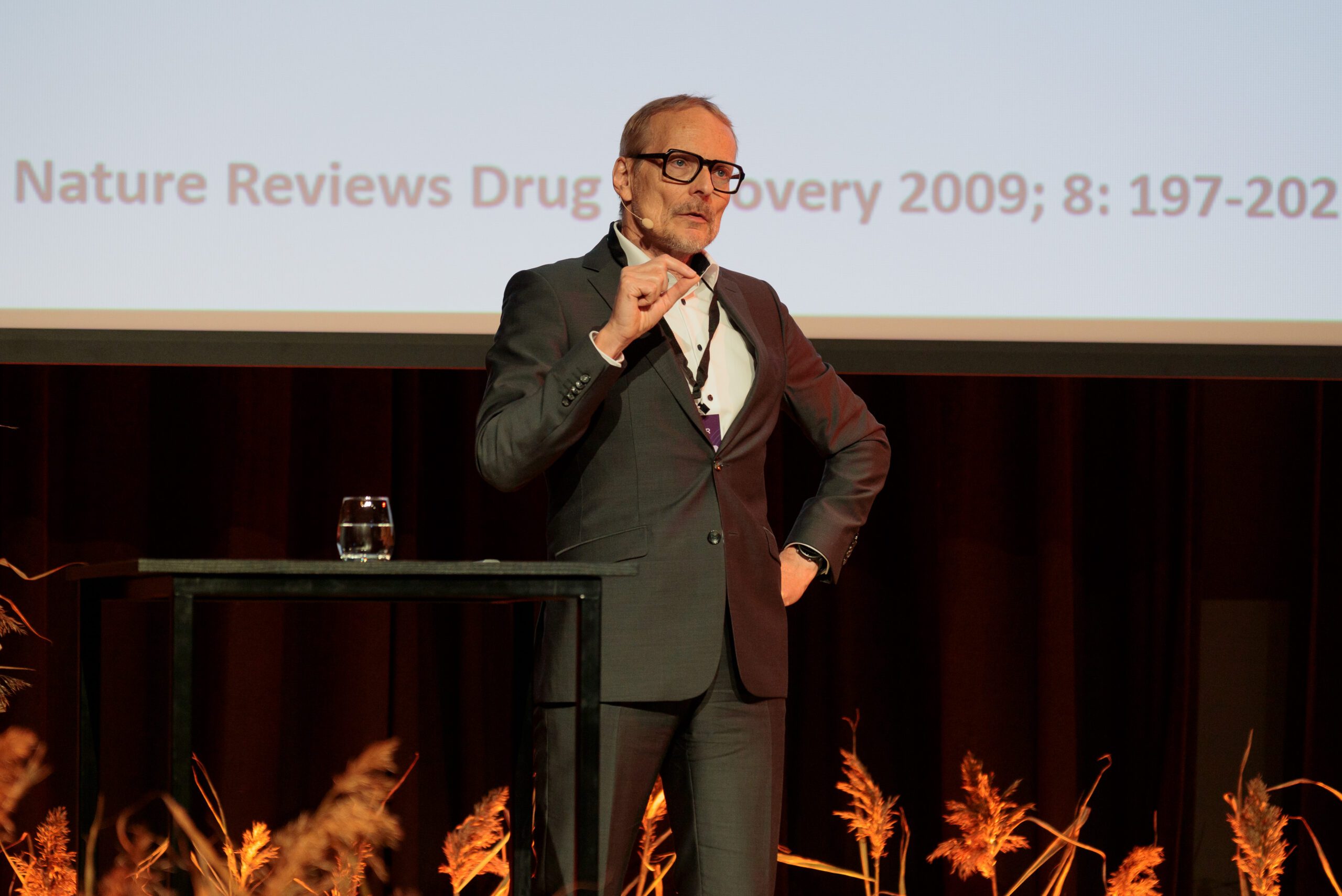
Prof Gerhard Gründer speaking TAIP Conference 2026.
Gründer recalled the moment that Germany’s Federal Institute for Drugs and Medical Devices (BfArM) approved the psilocybin compassionate use programme on 11 July 2025: “I remember when I received the email from the agency telling me the program was approved… I was sitting in my office in Mannheim, and I was almost crying.”
In the six months following approval, Gründer and his team experienced additional barriers between the milestones of regulatory endorsement and clinical rollout. In the current arrangement, Filament Health provides botanical psilocybin to both the Central Institute of Mental Health in Mannheim and OVID Clinic Berlin, the two licensed sites, free of charge. Contract negotiations between Filament and the university’s legal department dragged on for six months following federal approval, during which time OVID Clinic opened first. “The legal department of a German university is much more difficult than the federal regulators,” Gründer joked. Germany’s first patient was treated with psilocybin under the compassionate use programme in Berlin on 1 April 2026. By the end of this year, both sites expect to have treated around 20 patients each.
Other areas of friction have occurred in the first months of rollout. Gründer received a letter from the authorities after noting in an annual safety report that he had treated two patients with 30 mg psilocybin. Gründer “wrote a long letter apologising for the error” and says that there were no further ramifications. Dosing has now been explicitly capped at 25 mg, although up to five repeat treatments per patient can be utilised under specific conditions.
Nevertheless, one of the biggest problems facing Europe’s largest economy is the overarching and unresolved issue of reimbursement. At present, statutory insurance covers psychotherapy and regular psychiatric treatment at Mannheim but not the dosing day, which consists of “two people in a room with one patient for eight hours,” according to Gründer. “That’s not being paid for. It’s not cost-effective right now, and that’s one reason why we want to go to a group model in the future.” Both sites are planning to explore group models, with Mannheim hoping to begin in early 2027.
Dr Andrea Jungaberle, Chief Medical Officer at OVID Clinic, shared a parallel perspective from the private side of Germany’s psychedelic infrastructure. Her insights, developed through dosing over 750 patients with ketamine and esketamine across more than five years, were related to the framing of psychedelic-assisted therapies and strategies to enhance chances of reimbursement.
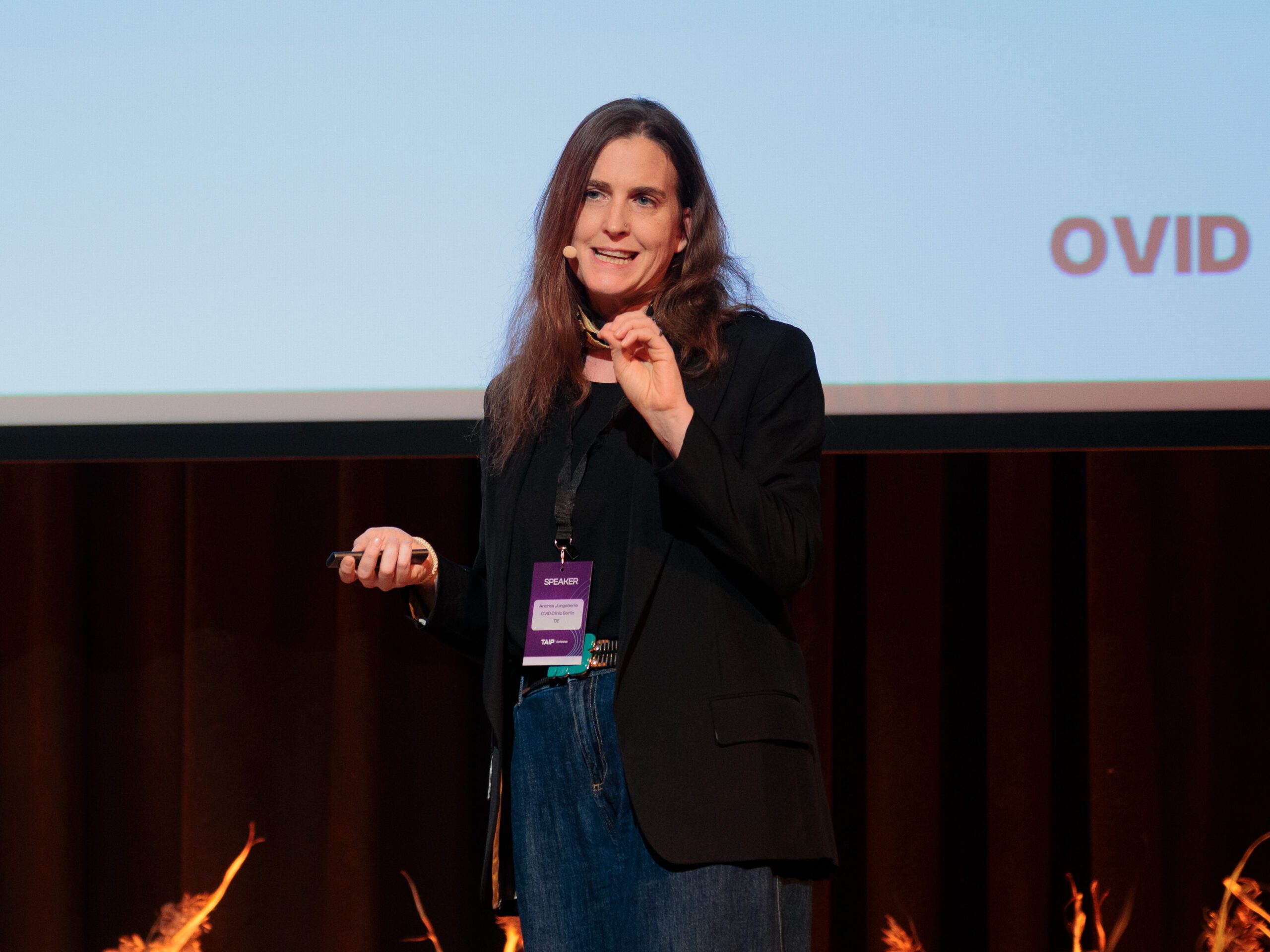
Dr Andrea Jungaberle speaking at TAIP Conference 2026.
Jungaberle’s core argument centred on the normalisation of specialised psychedelic therapies by embedding them within existing structures like individual, group, art and movement therapies to reduce institutional resistance and offer insurance companies familiarity with existing remuneration models. “If we make them too different, too special,” she said, “people won’t understand what we’re doing and they won’t pay for what they don’t understand.”
She emphasised OVID’s ‘day clinic’ approach, whereby patients receive “intensive, structured support and therapeutic care provided by multiprofessional teams” during the day and return home at night. Treatment usually lasts 4–12 weeks and significantly reduces overhead costs compared to inpatient settings. Jungaberle argued that the future of reimbursement lies in developing and demonstrating protocols that are more cost-effective than long-term standard-of-care treatments like Spravato.
OVID Clinic initially launched as a private-pay-only service in 2021, which inherently constrained who could access treatment. In 2024, after demonstrating cost-benefits that were comparable to other day-clinic services, “we got the permit to bill our treatments with all private insurances, which is a great success,” Jungaberle said. “This is the first time this kind of treatment is on the books for private insurance.” German insurance companies now “give general permission for starting treatment and wouldn’t distinguish between KAP and compassionate use, unless it is Debeka [a large insurer], where OVID have a preferred partner status for compassionate use,” Jungaberle told Psychedelic Alpha.
The clinic has since opened access for patients who are not privately insured by participating in industry phase II and III clinical trials, collaborating with the likes of AtaiBeckley (now Eli Lilly) and MindMed (now Definium Therapeutics). “We can provide these treatments without any cost to patients that are not privately insured, because it’s in the framework of clinical trials,” Jungaberle explained. At the start of October, OVID received its first permit to admit a statutory health insurance patient through its day-clinic KAP programme. Jungaberle celebrated the “huge breakthrough”, and shared hopes to “use this door for more standard contracts with smaller state insurances, in order to bring in more patients”.
At present, Europe is constrained not only by regulatory approval but by the strict verdict of HTA bodies, including the Gemeinsamer Bundesausschuss in Germany. Gründer noted that placebo-controlled studies are not sufficient for such applications and that European agencies will require at least one study that features a standard-of-care comparator before they recognise added benefit. “Such a study is completely lacking,” he said. Based on that, Gründer predicted, “We won’t have [licensed] psychedelics over the next couple of years, in Europe.”
For now, Germany’s compassionate use programme was extended for an additional year in June 2026, although Gründer shared his uncertainty about the future: “I really have no idea what an approval in the U.S. for psilocybin in TRD means for our programme.”
Switzerland: A Niche with No Right to Exist
Switzerland has operated the world’s longest-running legal framework for psychedelic-assisted therapy since 2014, although the system doesn’t come without its limitations. Speaking at TAIP, Helena Aicher offered a balanced perspective on the merits and drawbacks of the Swiss paradigm that, despite enabling access to psilocybin, MDMA and LSD, exists entirely at the discretion of regulators. “We don’t have a right to use it,” she said. “Sometimes I feel we act as if it is something we can do; but no, it’s really case by case, and we have to wait for the authorities.”
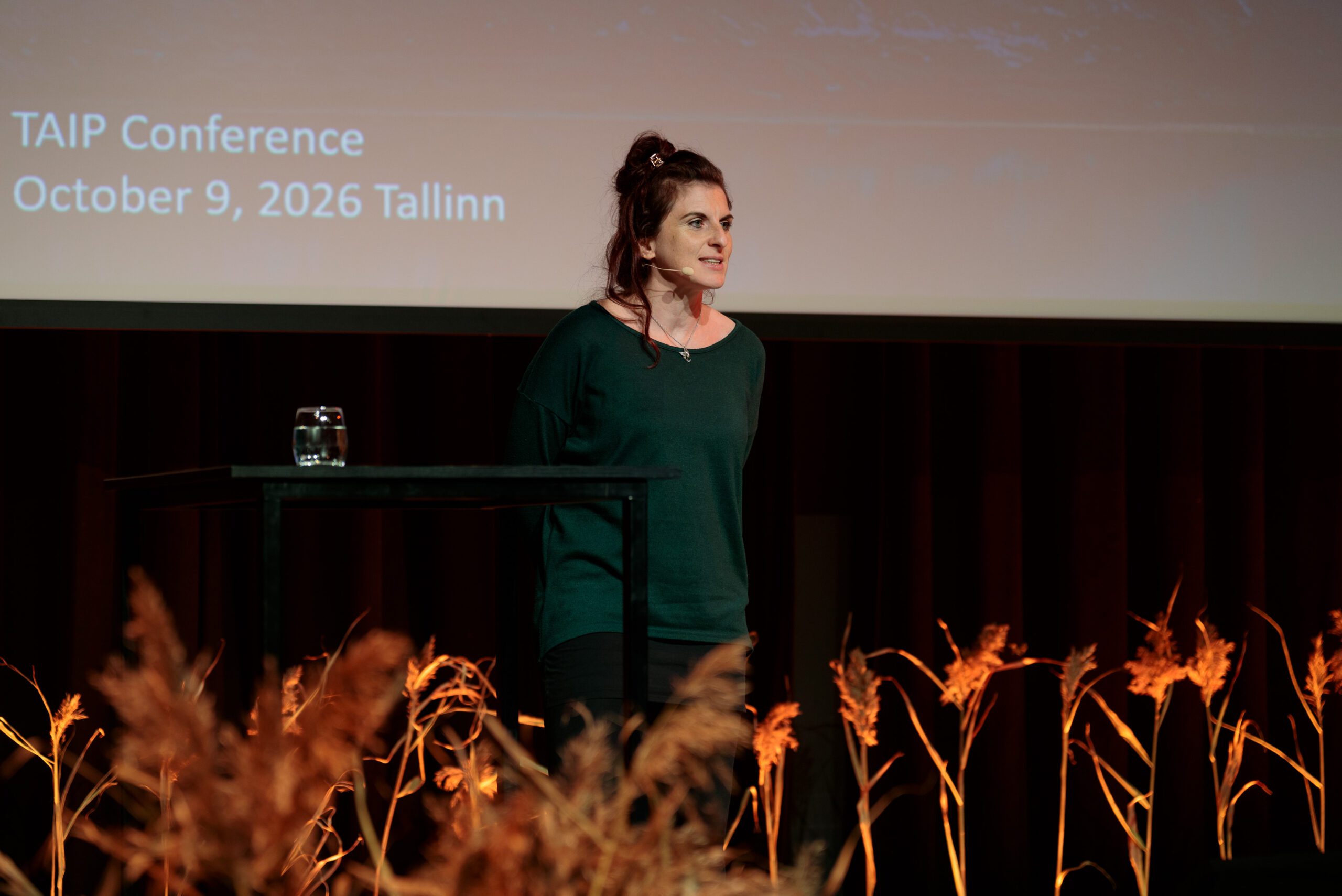
Helena Aicher speaking at TAIP Conference 2026.
The Swiss framework operates through a special exception mechanism, whereby Article 8, paragraph 5 of the country’s Narcotics Act allows the use of otherwise prohibited substances. Physicians apply to the Federal Office of Public Health on an exceptional, case-by-case basis, when standard treatments have been exhausted or failed, although approvals are not guaranteed, and the process requires detailed justification. Dose, setting, frequency and therapeutic framework are the treating physician’s responsibility.
Switzerland’s legal pathway is not the only element that makes it unique. Its duration has enabled Swiss practitioners to accumulate more than a decade of clinical experience across multiple psychedelics. With that history come nuanced findings and pioneering approaches.
In 2025, around 100 physicians treated 775 patients (410 with psilocybin, 231 with MDMA and 134 with LSD), across 15 sites, under the limited medical use programme. Depressive disorders and PTSD are the most common diagnoses in the programme, and patients typically receive 2–4 dosing sessions a year.
Year-on-year, the number of psychedelic sessions is growing, but Aicher was honest about the programme’s capacity.
“There’s a capacity limit and a competence limit,” she said. “I don’t think it will grow exponentially.” In earlier years, regulators often knew practitioners personally; now, as applications multiply, they are asking harder questions about training and professional qualifications. From here, Aicher made clear, the model could go in several directions: continued growth at the current pace, increased regulatory restrictiveness, or gradual legislative change.
What Switzerland has developed in the meantime is a progressive clinical culture that is ahead of the rest of the field, in some respects. Group sessions, often with participants taking different psychedelics to one another, are increasingly common, with an average size of six participants. Mixed-substance session logistics can be particularly complex, and require flexibility around start and end times, with an LSD patient potentially needing several additional hours after psilocybin or MDMA patients have wrapped up their experiences. Aicher described building a container for this that focuses on beginning and ending sessions together as a group, while allowing individuals to stay longer as needed. “Of course there are differences, but it works very nicely: each person is on their individual process, even though it’s embedded within the group.”
Research conducted by Aicher’s students found that when patients were asked what mattered most in their treatment, the modality of psychotherapy was almost never mentioned. Instead, patients frequently cited the therapeutic relationship, degree of presence of the psychotherapist, and a felt sense of safety.
Aicher built on this nuance when discussing one of the field’s most debated questions: whether therapists need personal experience with psychedelics. “Personal experience can give you an understanding of how far and deep such experiences can go, and it can probably give people a more relaxed attitude towards things happening in a patient that might otherwise scare the therapist. But it’s not solely sufficient or necessary. If you’re a bad therapist, psychedelics won’t necessarily make you a good therapist, and vice versa,” she added. Instead, “it is more about the qualities of a therapist: being open, being curious, non-judgmental, holding intense experiences and emotions.”
The risk of solely positive psychedelic experiences in therapists, she suggested, could run in the opposite direction. “The worst are maybe the young, enthusiastic physicians with only one or two amazing experiences, then they think they have seen it and they know what’s happening, and that’s probably more dangerous than having no experience at all.”
Aicher closed her TAIP session with a remark that landed as both an endorsement and an implicit critique of Switzerland’s trajectory. “Sometimes foundations pay, sometimes insurances pay, but often patients pay at least in part out of their pockets. And usually therapists work many hours for free.” This understandably raises concerns about the longevity and sustainability of the current approach. “I’m very much a fan of the Norwegian ketamine model. I hope that insurance [companies] will realise that paying for our relatively cheap substance will be cheaper in the long term than waiting for approved medications.”
The United Kingdom: Nobody Says No to a Pilot
The UK’s presenter had no regulatory win to announce, but instead an intentional bottom-up strategy structured around the accumulation of clinical experience, designed to make the eventual policy case unavoidable.
David Erritzoe shared the CIM-KeT model, a ketamine-assisted psychotherapy protocol for TRD developed at Imperial College London, on the second day of TAIP. The programme adapts the Montreal Model of ketamine-assisted therapy for the NHS context, pairing intramuscular generic/racemic ketamine with structured psychotherapy in a format designed to be deliverable at scale within existing NHS infrastructure.

David Erritzoe presenting the CIM-KeT model at TAIP Conference 2026.
CIPPRes, the infrastructure that exists around CIM-KeT, comprises four distinct entities: the Imperial CIPPRes Centre at Hammersmith Hospital (the research base), the CIPPRes Clinic at St Charles Hospital, Central and North West London NHS Foundation Trust (clinical delivery), the NHS CIPPRes Consortium spanning 17 NHS trusts, and a CIPPRes conference due in Oxford in March 2027. Critically, CIM-KeT is designed to prepare public infrastructure for the potential future rollout of psychedelic-assisted therapies, and bolster the NHS Talking Therapies (TT) service, which Erritzoe noted has not been shown to be cost-effective at current provision levels.
The CIM-KeT model is organised around five stages: pre-screen and recruitment, medical screening, medically led preparation with behavioural activation, active treatment, and follow-up at one, three and six months (with boosters under consideration). In the active treatment stage, medical staff (psychiatrists and trainees) carry out five ketamine dosing sessions (0.5–1.0 mg/kg IM), guiding patients through altered states and delivering goal-setting and behavioural activation. Therapists deliver ten separate weekly therapy sessions (with virtual delivery permitted), which begin two to three weeks before dosing, continue alongside the dosing programme (with therapy sessions timed to fall on the day after each ketamine session), and extend for another two to three weeks after the dosing period ends.
Crucially, patients enter the programme from within existing NHS TT services and remain in them throughout, preserving NHS TT governance, structure, and outcome monitoring. Inclusion criteria require a diagnosis of TRD with at least two adequate trials of different evidence-based treatments, including at least one complete course of talking therapy and one course of antidepressants lasting a minimum of six weeks.
The first round of pilot data gathered over 10 weeks at St Charles was positive. Patients in the programme achieved a reliable improvement rate of 89%, against 45% in standard NHS TT. Reliable recovery (defined as a minimum six-point reduction in PHQ-9 score with a post-treatment score below ten) was 60%, against 20% in the comparator TT group. Mean PHQ-9 scores fell from 18.4±0.9 at baseline to 9.0±1.7 at the final ketamine dose and 9.2±1.7 at the end of therapy. Clinician-rated MADRS scores also showed statistically significant improvements at three months.
Adverse event profiles seen in the CIM-KeT group were in line with those reported in trials of similar treatments, such as TRANSFORM-1 data for esketamine, which goes some way to addressing questions about whether generic/racemic IM ketamine carries greater risk than Spravato. Erritzoe emphasised that the findings were preliminary and “pilot data is not trial results”, although the early signal is promising.
CIM-KeT’s strategy for scaling is deliberately bottom-up. Rather than pursuing a top-down national approach with NHS England sign-off, Erritzoe’s team has focused on individual trusts. The strategy was validated by a conversation with Dido Harding, former Chair of NHS Improvement, who told him, “nobody says no to a pilot.” The CIM-KeT model has since been packaged into a booklet consisting of a protocol, SOPs, patient leaflet, visit form and clinical note templates that other trusts can adapt to their local context. “The headline for what we’re doing is pragmatism and the real world,” Erritzoe said.
Cost is notably central to that pragmatism. In addition to utilising relatively inexpensive generic/racemic ketamine, the model aims to utilise psychiatry trainees, who in their last three years of training have one day a week of funded special interest time. As the NHS CIPPRes consortium scales across 17 trusts, Erritzoe hopes a shared central data registry will allow cost-benefit modelling across hundreds of patients. The 10-week comparison window, comparing five weeks of add-on ketamine with standard talking therapy, is specifically designed to utilise data NHS services already collect.
The Feilding Commission, an independent body founded by Erritzoe, Timmy Davis and others, is chaired by a Member of Parliament and is now producing white papers examining the evidence base, alongside bringing together a broad range of stakeholders across the UK. The CIM-KeT training is also evolving, after the first iteration was delivered on 3–4 October. Together with colleagues from Montreal, Erritzoe plans to expand the initial two-day training programme and incorporate additional e-learning modules, workshops and role-play exercises. The programme will also use experiential breathwork to give therapists an experience of altered states and will not require personal experience with psychedelics. Ultimately, the goal is to create a replicable training infrastructure that can travel with the model as it spreads to more trusts.
A wider goal of the CIM-KeT programme is to enhance the NHS’s readiness for psychedelic medicines. “If, in a couple of years, you have 17 or more trusts that have successfully been working with implementing this, then it’s going to be easier to think about how to modify that model for psilocybin or MDMA,” Erritzoe shared with Psychedelic Alpha. For industry, there are also practical implications, whereby a drug approval that meets a system with no delivery infrastructure is a dead end. “If we’re building that infrastructure, then the conversation between drug providers, NICE and the NHS will be much easier.” The architecture, in other words, is not built for industry, but industry may be among its beneficiaries.
The cross-border flow of influence runs in both directions. Stewart, whose Norwegian reimbursement model has become the template others are building toward, was candid about what Erritzoe has built. “He leapfrogged us,” Stewart said. “There are things we couldn’t implement; he’s doing a much better job with the integration of the psychotherapy. We say it’s mandatory, but we don’t specify what you have to do, how often you have to do it. We don’t supervise the psychologists.” At the Norwegian Rapid Acting Antidepressant Network’s most recent meeting, Erritzoe presented CIM-KeT to the Norwegian team, and Norway subsequently sent clinicians to the CIM-KeT training.
Dr Liliana Galindo leads the Cambridgeshire Psychedelic Research Group and is one of the CIPPRes consortium leads at Cambridgeshire and Peterborough NHS Foundation Trust. After recently completing the Imperial CIM-KeT training, Galindo offered her perspective on what implementation looks like from inside a trust. She emphasised the significance of a model that uses existing clinical structures and staff rather than requiring an entirely new programme. “This seems to be the very first feasible and realistic implementation of psychedelic-assisted therapies at our NHS public health service,” she told Psychedelic Alpha.
Other European nations serve as cautionary examples, not of quality but of fragmentation. “When psychedelics became legal in other countries, there hasn’t been national cohesion, just isolated clinics,” Galindo shared, echoing comments from Stewart. “Here we are creating a really robust network.” Questions of equity, she made clear, are central to that ambition. “The hope is that psychedelic-assisted therapies will be available for the people who need it most, and will not stay only in the private services where people can only have access if they can pay.”
Estonia: Building the Foundations
For Oliver Berg, Executive Director of TAIP, the timing of the conference was inseparable from a broader argument about where Estonia stands. “We’re moving out of drug policy into health policy,” he told Psychedelic Alpha, “and realising that the drug policy we have created globally with the UN conventions is actually damaging health policy.” In drug policy circles, Estonia is a country historically known for one of the most pervasive opioid and synthetic drug crises in the European Union, although the tide appears to be shifting.
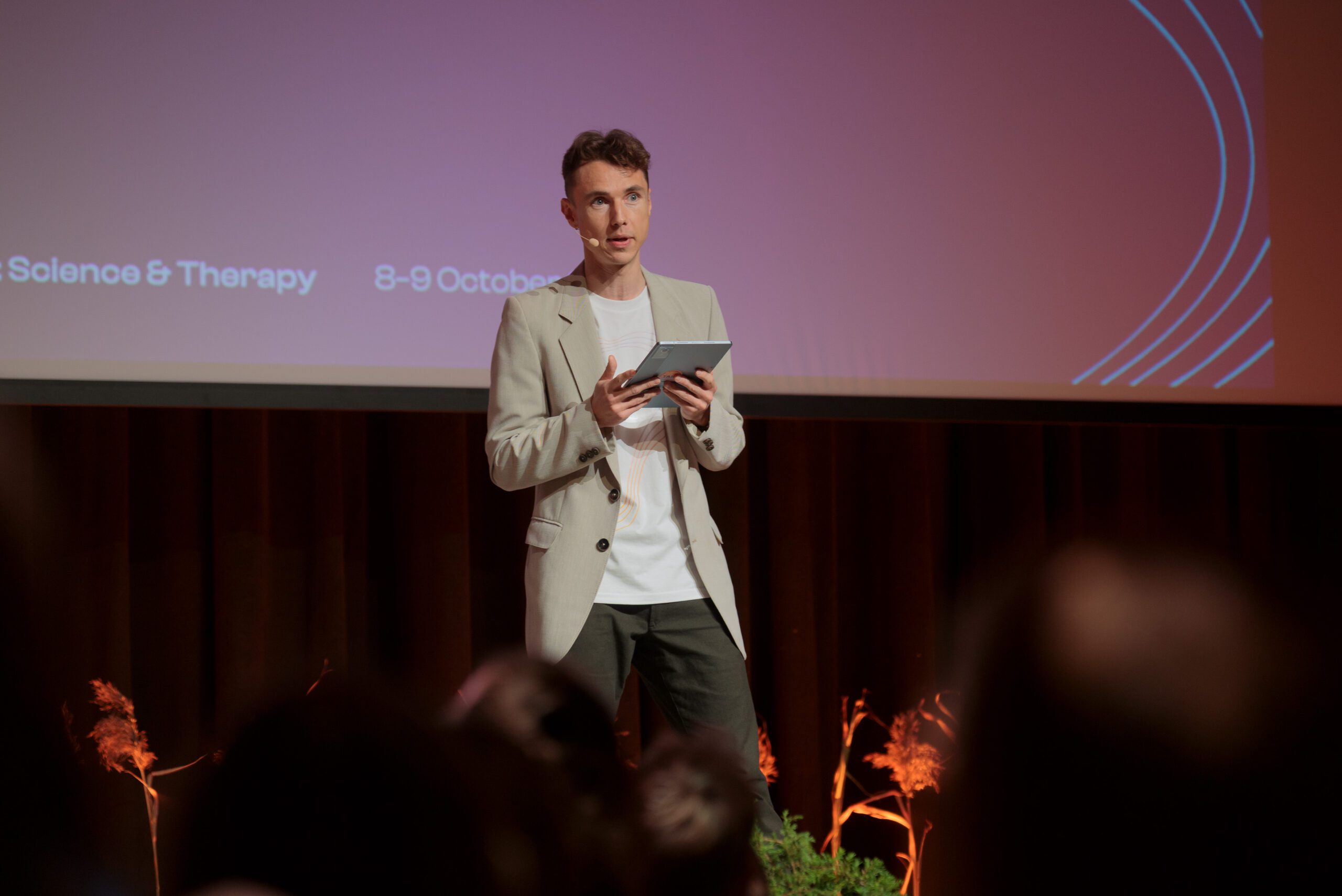
Oliver Berg, Executive Director of TAIP, at TAIP Conference 2026.
The political groundwork, he reported, is more advanced than might be expected of a country this size. TAIP was registered in Tallinn in May 2024 after a year of design work by its three founders: Berg, psychiatrist Dr Viljar Veede, and social worker and family therapist Mari Salla. In the last year, TAIP has met politicians from five of Estonia’s seven main parties, including the current head of the parliamentary social committee, Signe Riisalo, who subsequently appeared on national television alongside Estonian therapist Ethel Rosenfeldt to argue that psychedelic medicine “shouldn’t be a political question. This should be down to medicine agencies.” Berg credited the intimacy of small-country democracy: “It might be a very long road to get to someone like that in the UK or wherever; here, we can be pretty fast and flexible.”
With almost no psychedelic research of its own, Estonia’s strategic choice, led by TAIP, has been to learn from its more progressive European and Nordic neighbours and focus on the questions of early access approaches, implementation and feasibility.
As Cristina Kroon, TAIP’s policy and strategy lead, put it: “We focused on what we can achieve with the team we have, and that is policy work.” That approach has meant positioning the Foundation away from the drug policy desk and toward the clinicians and mental health commissioners who directly face the unmet need. Estonia’s suicide rate, at 14.5 per 100,000, is the fifth-highest in the EU, while its investment in mental health ranks among the bottom five of 38 OECD countries.
The clinical picture is more nascent. Veede, also chairman of TAIP’s supervisory board, is currently the only practitioner in Estonia offering ketamine-assisted therapy. He co-founded and designed Minu Kliinik two years ago, with an emphasis on non-clinical design, after observing the limits of purely biomedical infusion models. “I started seeing the shortcomings of the biomedical model we were using,” he said. Since then, he has treated patients primarily for mood disorders, PTSD and complex PTSD.
To widen Estonia’s pipeline, the TAIP Foundation has issued scholarships for Estonian professionals to train in psychedelic-assisted therapy abroad, including through the OPEN Foundation’s ADEPT programme in the Netherlands and the MIND Foundation’s Augmented Psychotherapy Training (APT) in Berlin. Two more practitioners will join the ninth APT cohort in November 2026, with their places co-funded by TAIP and MIND. Within the next few months, at least two further ketamine clinics are expected to open in Estonia.
The economic logic, Berg argued, is unquestionable; it just hasn’t been acted on. Tervisekassa, the Estonian Health Insurance Fund, currently, albeit infrequently, reimburses esketamine at up to €207 per dose, while generic/racemic ketamine costs approximately €6 per dose. “We’re reimbursing something very expensive as a final line of treatment, while not using funds on treatments that are actually quite affordable,” he explained. Berg said that the TAIP Foundation’s five-year goal is to replicate the Norwegian reimbursement model and “implement it here in the Estonian public healthcare system”. At present, TAIP is using Norway’s publicly available HTA as a template, with “the ketamine model as the building block for the future use of other psychedelic medicines that are coming onto the market”, he told Psychedelic Alpha. “There’s of course [interest] in a compassionate use program framework in Estonia, and that’s something we want to look into as well.”
European Access
The common question running through many sessions at TAIP 2026 was not whether psychedelic-assisted therapies will reach European patients, but how and when. Tadeusz Hawrot of PAREA highlighted structural challenges: of the 63 FDA-approved psychiatric treatments that have come to market in the last 15 years, 62 reached patients in the U.S., while European patients got access to just 23.

Tadeusz Hawrot of PAREA speaking at TAIP Conference 2026.
Psychedelic medicines, he warned, may follow that same pattern, with pharmaceutical companies prioritising the five largest European economies and leaving smaller markets to wait. “It is not to be taken for granted that drug developers will be interested in launching their products in small countries like Estonia,” Hawrot said. “There is no wonder that countries like Estonia are interested in enacting access through other models.”
Models like Norway’s multi-indication reimbursement of generic ketamine, Germany’s compassionate use programme, which is in some cases embedded in the day-clinic model, or the UK’s bottom-up approach were exactly what TAIP 2026 convened to examine. Not as replacements for future licensed psychedelic medicines, but as parallel infrastructure to build before approvals arrive. Witnessing different nations coming together to foster international collaboration and cross-learning towards the common goal of implementation and early access left TAIP attendees with a sense of optimism. Whether the regulatory frameworks can be implemented quickly enough and at scale remains the open question.
Join thousands of psychedelics insiders
Get the weekly psychedelic medicine briefing.
A free weekly digest covering trials, regulation, policy, and access.
By signing up, you agree to our privacy policy. You can unsubscribe at any time.