The Psychedelic Practitioner Issue 5: Groups in Practice
Welcome to our fifth Issue of The Psychedelic Practitioner.
Today’s Issue focuses on group-based practice: a model of care that may soon attract far broader attention as practitioners begin grappling with the question of how to make psychedelic therapies accessible at scale.
For our feature interview, we hear from Dr. Leor Roseman, whose work on communitas and relationality explores the ways in which collective psychedelic experiences can catalyse change beyond the individual. Our Practitioner Voices include those of Dr. Gabby Agin-Liebes, Dr. Benjamin Lewis, Dr. Chris Stauffer, and Max Crosland-Wood, who discuss topics from apprenticeship models, to designing group dosing containers and navigating interpersonal dynamics in group contexts. Ethics Corner columnists Bryony and Eddie consider some of the challenges when psychedelic integration moves from the private to collective sphere.
This Issue also includes our regular updates from the world of research and the global landscape, where psychedelics-related legislation and public health frameworks are increasingly in the spotlight.
Finally, we are pleased to welcome Osmind as our Sponsor for this Issue.
Our inboxes are always open! Please don’t hesitate to email us with feedback or with any general enquiries about The Psychedelic Practitioner.
Alice Lineham and Josh Hardman
The Editors, The Psychedelic Practitioner
Subscribe to future issues
Practice-focused insights, delivered to your inbox.
Issues are currently published every other month. Join our free newsletter to receive them:
By signing up, you agree to our privacy policy. You can unsubscribe at any time.
Sponsor Message

Psychedelic Alpha is grateful to the folks at Osmind, sponsors of The Psychedelic Practitioner.
Every interventional session generates evidence the field needs. Osmind powers the largest network of interventional psychiatry practices. 1,000+ clinics sharing resources and advancing research. The platform, services, and data infrastructure to deliver novel modalities like Spravato and psilocybin, profitably and compliantly.
Vitals
Vitals is your pulse check on the psychedelic field: a concise scan of the developments, discoveries, and debates that matter most for practitioners. Each item ends with the Bottom Line, for those of you who are pushed for time or want our read on the news.
Trump Backs Psychedelics: U.S. President Signs Psychedelics Executive Order
Shortly after our last Issue published in April, President Trump signed an executive order (EO) that signalled federal support for psychedelic research and access, with a focus on mental health.
The EO envisages a handful of actions (see also Psychedelic Alpha’s 5-minute video summary), including:
- $50 million match-funding via ARPA-H to support state level psychedelic research
- Schedule I Drug Access Through Right-to-Try for patients with life-threatening illnesses
- Commissioner’s National Priority Vouchers to fast-track the evaluation of select psychedelics candidates, including two psilocybin-based candidates and a methylone candidate
Ibogaine advocates were particularly excited by the EO. Indeed, the text of the order and Trump himself mention the compound by name, despite its comparatively limited evidence base relative to psilocybin or MDMA (more on this in Research Radar). Shortly after the EO, DemeRx announced that its oral noribogaine candidate (DMX‑1001) had received IND clearance, paving the way for U.S. trials to take place.
Bottom Line: While some of the EO’s elements have been realised already, such as the vouchers, others may take longer and have a less certain path to fruition. The Drug Enforcement Administration (DEA), for example, would likely need to move on certain issues in order to shore up Schedule I drug access through Right to Try. Given that agency’s lethargy on similar topics in the past, it’s anything but a sure bet. Still, even if the road to implementing the EO’s promise is rocky, its very signing has been hailed as a signal that the current U.S. administration has an open mind when it comes to psychedelics.
The Era of Institutionalisation: U.S. and UK Systems Scope Psychedelic Practice
As psychedelics-based candidates inch closer to potential approvals, institutions across the world are grappling with how to integrate them into clinical practice.
In the U.S., where approvals are expected in the near term, Johns Hopkins has now embedded a full psychedelics module within its Psychiatry Guide. The chapter provides substance-specific modules on ketamine, MDMA, and psilocybin, and looks at specific clinical risks and exclusions, including Hallucinogen Persisting Perception Disorder (HPPD). Notably, the ketamine section centres on Ketamine‑Assisted Psychotherapy—a three‑step model of preparation, dosing, and integration—rather than the more common medicalised ketamine models delivered without psychotherapy. The chapter also spans DEI in Psychedelic Medicine—including training facilitation teams in whiteness and privilege—alongside Ethics, from tailored informed‑consent processes to the challenges of blinding and masking in psychedelic trials.
Read more about a multi-institutional project that aims to familiarise psychiatry residents with psychedelic medicine in our interview with John Hopkins’ professor Bit Yaden.
In the UK, researchers at Oxford have begun exploring a real-world model for the implementation of psilocybin into the country’s National Health Service (NHS). Inspired by the NIHR Oxford Health Clinical Research Facility’s involvement in Compass Pathways’ Phase 3 psilocybin trial, the article explores frameworks for delivering psilocybin therapy at scale. One intriguing component of the illustrative model includes the use of experienced research assistants—trained in prep, dosing, integration—rather than relying solely on highly specialised, often scarce or costly clinicians.
Bottom Line: These developments highlight the emergence of psychedelic medicine as a field that now requires dedicated provider education, researcher training, and health‑system planning. Psychedelics are beginning to appear in psychiatry curricula, embedded within interdisciplinary academic centres, and tested in early models of public‑health delivery. For practitioners, the question is no longer if psychedelics will enter mainstream care, but how, and who will have a voice in that process.
Conference-Assisted Insights
Psychedelic Alpha and The Psychedelic Practitioner have been on the road to several conferences since our last Issue.
At the American Psychiatric Association’s annual meeting in San Francisco, California, we spoke with psychiatrists of all stripes about their views on the psychedelics field. Their main questions included whether psychedelic approvals are being fueled by science or politics, how the drugs may be used in the real world with more complex patients, whether psychedelic therapies are scalable enough to ‘work’ in their practices, and so on. They also shared other practical questions, like whether patients need to taper off other medications, such as SSRIs, prior to psychedelic dosing.
We also heard from NIDA Director Nora Volkow, who was remarkably upbeat about psychedelics. That enthusiasm is a far cry from her former skepticism, with Volkow saying just a couple of years ago that ibogaine is unlikely to ever be approved. She was upfront about her change of heart, telling the standing-room-only crowd: “If I can’t change my views based on evidence, then why do science at all?”
More recently, we attended The Real Mental Health Summit in London, UK, as well as the Interdisciplinary Conference on Psychedelic Research (ICPR) in Haarlem, the Netherlands. At the latter meeting, the role of psychotherapy in the delivery of psychedelics was a key topic, but not one of debate—almost everyone who engaged with it on stage was confident it should be a central part of the model.
Elsewhere at ICPR, we learned about the status of European psychedelic access pathways in places like Czechia and Germany. Read more in Going Global.
Introduction
Though group-based models may appear somewhat novel within contemporary Western psychedelic containers, collective psychedelic practices have deep cross-cultural roots that long predate modern therapeutic frameworks. Cultures around the world have long gathered with psychoactive plants for healing, connection, and celebration.
Beyond their capacity to promote profound introspection, psychedelics are known to engender feelings of connectedness, empathy, and prosociality, acting as potential catalysts for collective healing. Such a possibility feels particularly relevant amid widespread loneliness and growing social fragmentation in the Western world. If many forms of psychological distress emerge partly from disconnection, then meaningful healing may require more than individual insight alone—a theme echoed by Rosalind Watts in our previous Issue.
Some psychedelic research in the mid-1900s also explored group-formats, including LSD therapy for alcohol use disorder and “neurotic” disorders, where psychedelics were used to deepen group therapeutic processes rather than solely facilitate individual insight. Yet despite this early work, and the inherently social nature of most naturalistic psychedelic use, modern clinical research has largely bypassed this dimension.
However, as explored throughout this Issue, interest in collective psychedelic approaches is re-emerging, offering cost-effective, scalable alternatives to individual therapy and inviting a fundamentally different orientation to healing—one that is less hierarchical, more relational, and grounded in shared experiences.
Evidence from ayahuasca churches describes the communal dimensions of ceremony as central to psychological and spiritual growth, while recent research on communitas at Imperial College London captures the transformative power of togetherness, solidarity, and shared humanity often reported during psychedelic group experiences (read more from Dr. Leor Roseman, below). Beyond ceremonial contexts, contemporary group-based initiatives, recent university-led and state-funded trials, and Oregon’s Psilocybin Services are all beginning to welcome collective models of care.
Still, important ethical and operational questions remain. Screening for group work may require distinct criteria, including interpersonal sensitivities and neurodiversity. Facilitators must balance individual processes with group cohesion, while managing risks such as emotional contagion, comparison, and transference, and practical uncertainties persist around facilitator ratios and dosing.
This Issue will explore these questions and more.
Interview: Groups in Practice – Dr. Leor Roseman

Dr. Leor Roseman is a senior lecturer and researcher at the University of Exeter’s recently-launched Psychedelic Interdisciplinary Centre (EPIC). He is also the founder of Ripples Alliance, a non-profit dedicated to peacebuilding and collective liberation supported by psychedelics that was born out of his research with Israelis and Palestinians.
Roseman’s work explores the social and political dimensions of psychedelic practice and healing—how group processes, communitas, and shared recognition can ripple outward into communities and systems of care.
The Psychedelic Practitioner: What initially drew you to group‑based psychedelic practice?
Leor Roseman: At the time, I was doing psychedelic neuroscience at Imperial College London, so I was involved in some of the early psychedelic renaissance studies. But from my own experiences and processes as an individual—not just as a scientist—I found a lot of meaning in the human relationships that form during these sessions.
This could be with friends in the desert, full moon hiking with people I love, or in ayahuasca rituals in Brazil, where the group often became a very meaningful part of the experience. So while my research focused on the individual level, I sensed a deeper layer of social connectedness that I wanted to bring into my work.
I also think mental health orientations tend to focus too heavily on the individual. There’s a growing critique in the field that inner spirituality isn’t everything; there are many relational qualities to healing as well. So moving into group work, communities of practice, and broader sociality became a way to express those relational aspects, which I see as essential parts of healing, meaning, and human life more generally.
“I also think mental health orientations tend to focus too heavily on the individual. There’s a growing critique in the field that inner spirituality isn’t everything; there are many relational qualities to healing as well.”
Communitas and Group Dynamics
TPP: How would you define ‘communitas’ in the context of psychedelic work, and why do you think healing within a group dynamic is so central to addressing many of the wounds people carry today?
Roseman: One of the first studies I did with a relational focus was on retreats and the concept of ‘communitas’. This idea, developed by Victor and Edith Turner who studied rituals, describes a liminal state that emerges during rituals, in which the hierarchical structures of society, and the various identities, collapse. There’s a sense of equality, togetherness, and solidarity that exists in that space. It’s a momentary form of collective experience.
Communitas can emerge in many contexts—at festivals, in spontaneous revolutionary ruptures when people take to the streets and a sense of hope returns, or even in natural disasters when suddenly everyone is in the same boat and a sense of solidarity emerges. There’s a kind of magic in the air during these moments; a shared sense that something different might be possible. Phenomenologically, people describe it as exactly that: magic in the air.
“One of the first studies I did with a relational focus was on retreats and the concept of ‘communitas’…[which] describes a liminal state that emerges during rituals, in which the hierarchical structures of society, and the various identities, collapse. There’s a sense of equality, togetherness, and solidarity that exists in that space.”
In our 2021 paper, we developed a Communitas Questionnaire to measure this quality within psychedelic rituals. We found that communitas predicted long-term improvements in wellbeing and social connectedness, even after the retreats and ceremonies had ended. That was an early demonstration that healing can also happen in the community.
I believe this is important because many of the psychosocial wounds people carry are related to states of alienation, dislocation, or disconnection. What we call the mental health crisis—the rise of depression, addiction, and so on—relates, in part, to the loss of social glue and social bonds. So healing also needs to address these relational dimensions, because many of the wounds themselves are relational, be it loneliness, trauma, or oppression.
“What we call the mental health crisis—the rise of depression, addiction, and so on—relates, in part, to the loss of social glue and social bonds. So healing also needs to address these relational dimensions, because many of the wounds themselves are relational, be it loneliness, trauma, or oppression.”
TPP: What, in your view, makes a robust group container?
Roseman: A robust container is one built on trust and openness—and ideally, a sense of shared identity—so people can open up without needing to hide things. Sometimes in a group process, especially in the beginning, there’s a feeling of harmony, but people may be suppressing conflicts or differences. As the group container strengthens, people begin to bring those tensions into the space, and the group becomes healthier by moving through them. But that takes time.
At Exeter Psychedelic Interdisciplinary Centre (EPIC), we’re developing a psychedelic community of practice study inspired by the work of Gathering Groups and Roots to Thrive, using their twelve-week model. The group preparation lasts eight weeks before the psilocybin session, which forms a very strong foundational period in which people can express themselves, open up, and receive recognition and mirroring from the group. There’s also a practice of embodied listening that helps trust emerge organically between individuals.
Ultimately, I think trust is the key component here: trust in facilitators, in therapists, in ourselves, in the medicines, in the group, and in the space itself.
Relational Recognition
TPP: Could you share a brief anecdote from your research that illustrates the healing potential of group processes?
Roseman: In our 2022 research with Israelis and Palestinians, we brought participants together in Spain with the intention of collective healing—finding inspiration for action, building solidarity and community, whilst remaining grounded in the political realities and tensions that shape their lives.
One thing I became interested in during this work—and during my previous field work in the Holy Land—was the emergence of what I’ve come to term a ‘field of relational recognition’. Sometimes people, when they focus too much on the self, can feel that their struggle is purely individual. But when that focus expands into the relational space, through storytelling, and a shared sense of care, moments of intense recognition can arise. We begin to see something in the other that we had previously blocked, or were not able to see. This can happen in intercultural contexts, or on a very personal level.
“Sometimes people, when they focus too much on the self, can feel that their struggle is purely individual. But when that focus expands into the relational space, through storytelling, and a shared sense of care, moments of intense recognition can arise. We begin to see something in the other that we had previously blocked, or were not able to see.”
That level of recognition heals in some way, both for the person being recognised, and for the person who recognises. The person who recognises something in another expands their own sense of self, encompassing something they may have previously excluded. Meanwhile, the person being recognised—who may have kept something to themselves until now—experiences being seen, and with that comes a sense of agency and empowerment. This is a moment where both can grow, and real hope is ignited.
Limits of Individual Practice
TPP: What do you see as the limitations or potential risks of one-to-one psychedelic therapy, and in what ways might group-based approaches help address or mitigate these?
Roseman: I would first like to point out that individual therapy can be very effective, and often provides an important starting point, so this isn’t a critique against individual therapy itself. The concern, perhaps, is that individualistic therapy tends to dominate the clinical context, and that paradigm could be expanded.
One of the risks of individual therapy is that it can lack clear mirroring. People may become stuck in their own internal process, with little external reflection or anything to challenge that. In a group, there’s far more space for mirroring, recognition, and seeing that many of the wounds we experience as individuals may actually be systemic, collective, or political wounds. When you hear your own story echoed in other people, feelings of alienation begin to dissolve. Wounds that once seemed purely individual start to take on a collective or political framing, and I think that shift can be healthy.
“In a group, there’s far more space for mirroring, recognition, and seeing that many of the wounds we experience as individuals may actually be systemic, collective, or political wounds. When you hear your own story echoed in other people, feelings of alienation begin to dissolve.”
One-to-one psychedelic therapy often ends prematurely because there simply aren’t enough resources to sustain it over long periods. When it ends, people can sometimes feel a sense of neglect afterwards. With group therapy, integration often becomes more sustainable since the process can continue beyond the formal therapeutic setting. Over time, the group may become less dependent on the facilitators and begin to hold and support one another.
At the same time, I also want to mention the risks that group formats carry. Group dynamics can become toxic, alienating, or exclusionary, and interpersonal drama can be amplified. There’s no need to idealise all group processes as inherently healthy. In some of our work—for example, our paper on psychedelics and social cure—we also discuss what we call ‘social curse’, the shadow side of group work and the risks that can emerge in collective processes.
Ripples of Action
TPP: Your work often highlights how relational experiences within groups can ripple outward into people’s wider lives and communities. How do you understand these “ripple effects” of group-based healing, and how has this idea shaped the vision behind Ripples Alliance?
Roseman: In my peacebuilding research, I have witnessed many experiences—breakthroughs, insights, revelations—that, although rupturous, often give rise to an urge for action. In every Eureka moment, every epiphany or moment of insight, there’s also an impulse to act from that place. There is a ripple that wants to emerge. Whether or not it does depends on various contextual factors, but there’s always something that wants to move into action.
I believe it’s healthy to operate from that space, to bring insight into action. With my organisation, Ripples Alliance, which is dedicated to psychedelic peacebuilding and collective liberation, we see that the group work we engage in is inherently action-oriented. For example, we created a ritual performance for a wider audience based on the experiences of Palestinians and Israelis who shared ayahuasca together. In a sense, we were trying to ripple out the processes of a small group into a broader public space.
If these insights don’t manifest in our actions, behaviours, or meaning-making processes, they can sometimes create even more despair. We glimpse something different, but then fail to move towards it. It can start to feel like it was only a dream, or an illusion. So I see action-oriented integration work, dedicated to these ripples, as profoundly healthy: a process through which individuals develop agency and become empowered to manifest their visions into reality.
“ In my peacebuilding research, I have witnessed many experiences—breakthroughs, insights, revelations—that, although rupturous, often give rise to an urge for action. In every Eureka moment, every epiphany or moment of insight, there’s also an impulse to act from that place. There is a ripple that wants to emerge.”
Scaling the Collective
TPP: Do you see group-based psychedelic therapy becoming a more central clinical model in the future, or do the current structural barriers remain too significant? In your view, what are the main challenges the field still needs to address for group approaches to scale safely, ethically, and effectively?
Roseman: Group programmes definitely require more skilful facilitation. In many ways, being a group facilitator is harder work than facilitating one‑to‑one sessions. Although a group can become a strong container and eventually hold itself, there are interpersonal sensitivities that facilitators need to understand and work with. Group facilitation is an additional skillset, and it may be difficult to find people with that level of training and experience.
“Group programmes definitely require more skilful facilitation. In many ways, being a group facilitator is harder work than facilitating one‑to‑one sessions…there are…interpersonal sensitivities that facilitators need to understand and work with… [it’s] an additional skillset, and it may be difficult to find people with that level of training and experience.”
However, I think the fact that group models are more cost-effective will create pressure on the system to accept these forms of therapy. Right now, the structural barriers are mostly bureaucratic, legal, and research-related. Some clinical facilities don’t even have the physical spaces needed for this kind of work. Also, clinical research and theory still largely focus on the individual. But as those frameworks expand, and clinical research begins to include more group work, I believe the field will shift.
Most people who take psychedelics already do so in collective settings where attention is given to group harmony—whether in rituals, ceremonies, or even raves. So organically, group processes are already happening, and they’re actually more common than individual ones. Eventually, I think psychedelic therapy will move further in that direction, as that’s simply the organic growth of things.
“Most people who take psychedelics already do so in collective settings where attention is given to group harmony—whether in rituals, ceremonies, or even raves. So organically, group processes are already happening, and they’re actually more common than individual ones. Eventually, I think psychedelic therapy will move further in that direction, as that’s simply the organic growth of things.”
Advice for The Field
TPP: What advice or words of wisdom would you offer to practitioners and researchers working in group-based psychedelic contexts?
Roseman: Maybe the advice is not to idealise it. Group work can be quite dramatic. Conflicts and emotional turbulence are part of the process, and facilitators need to recognise that they also hold those dynamics in some way. They need to be prepared, and feel strong enough, for the kinds of challenges that come with group work.
I would also suggest having check-ins with individuals. Often, dynamics stay beneath the surface. People might not voice their tensions to facilitators because they want to maintain the harmony of the group. If those feelings don’t find expression, they can move through the group in the form of gossip or unconscious tensions.
So it’s important to create dedicated time for the more uncomfortable aspects of group work to reveal themselves, and to offer individual check-ins that allow people to speak freely about what’s going on. Once the group is solid enough, it can begin to invite and hold the challenges collectively, and that’s where the real depth of the group process emerges.
“It’s important to create dedicated time for the more uncomfortable aspects of group work to reveal themselves, and to offer individual check-ins that allow people to speak freely about what’s going on. Once the group is solid enough, it can begin to invite and hold the challenges collectively, and that’s where the real depth of the group process emerges.”
Sponsor Viewpoint
The Operational Questions Groups Force You to Answer
Most conversations about groups in psychedelic practice center on the clinical container: cohesion, safety, the relational field. Far fewer ask what changes operationally the moment a session holds five people instead of one. I built and ran an interventional psychiatry practice before this, and the operational questions are where good intentions most often stall.
Start with the obvious shifts. Staffing ratios stop being theoretical: who monitors whom, with what qualifications, when several people are dosing at once? Space stops being a detail: a room built for one-on-one work rarely supports simultaneous monitoring, privacy, and the calm a group needs. And scheduling compounds, because a single late arrival reshapes the whole workday.
Then there’s measurement. Individual sessions make documentation straightforward: one note, one set of rating scales, one outcome to track. Groups quietly break that. If you can’t capture what happened for each person in a shared session, you lose the very data that demonstrates these treatments work, to payers, to regulators, and to yourselves. We see it already in Spravato monitoring, where several patients recover in one space. Group psilocybin, if and when it arrives, will only raise the stakes.
None of this is a reason to avoid groups. Done well, group delivery is one of the few credible paths to expanding access without diluting rigor. But “done well” is an operational achievement as much as a clinical one. The practices that lead will be the ones that treat workflow and measurement as part of the therapy, not paperwork to finish afterward.
We’ve partnered with psychedelics sponsors to prepare practices for the potential delivery of psychedelic treatments in community-based settings.
Dr. Will Sauvé, Chief Medical Officer, Osmind
Practitioner Voices
For this Issue, we were interested in exploring some of the unique challenges that can arise in psychedelic dosing sessions and ceremonial contexts, along with the practical ways these challenges can be anticipated, navigated, and supported before, during, and after the experience. We asked three active practitioners to share their insights, reflections, and guidance with our readers.

Dr. Benjamin Lewis
Dr. Benjamin Lewis is an Associate Professor of Psychiatry at the Huntsman Mental Health Institute and the principal investigator for the University of Utah Psychedelic Science Initiative (U-PSI). Dr. Lewis is an advocate for group-based psychedelic paradigms, having led the HOPE trial—a pilot study of psilocybin enhanced group psychotherapy in patients with cancer—and group ketamine-assisted psychotherapy in the HMHI KAP Clinic.
The Psychedelic Practitioner (TPP): What are the key risks within a group psychedelic context?
Benjamin Lewis: Group formats are not necessarily the best or safest framework for all individuals and indications but at this stage we don’t know who may or may not be a good fit. The complexity of group dynamics can lend itself towards a range of emergent patterns that might be unrecognised and with unintended consequences for certain group members.
Many of the questions I have in relation to psychedelics in this context surround the increased need for sensitivity on dynamic amplification: in this sense the stakes are much higher, especially given enhanced suggestibility with psychedelics and the unpredictability of individual experience. This could theoretically amplify unconscious group dynamics in ways that might be harmful for an individual who feels excluded, or who feels that their process diverged from the rest of the group.
Along these lines it is completely natural for participants to compare experiences and engage in some level of evaluative assessment in that regard, even with careful discussion and framing about this in advance.
These risks do not preclude the possibility of group formats but they do up the ante in terms of attention not only on the individual level but attention to the level of group process and the feedback loops present there.
TPP: Are there individuals or clinical profiles for whom group work may be less suitable, and how do you think about patient choice in this context?
Lewis: We don’t know definitively yet given the limited number of trials conducted. It’s also important to distinguish between group prep/integration vs. group dosing—it might be appropriate to engage with a group process for the former, but prioritise individual dosing sessions. Also relevant is the particular psychedelic used—psilocybin is distinct from 5-MeO-DMT when considering the safety and feasibility of group dosing.
Participant preference is also important independent of diagnosis: there may be people who feel extremely uncomfortable with the idea of moving through an intensely personal and vulnerable process with strangers. This doesn’t mean it wouldn’t be helpful and therapeutic, but there may be diminishing returns and risks when someone feels less safe and comfortable.
We do group ketamine-assisted psychotherapy in our HMHI KAP Clinic and this is based on patient preference. The patients who seem to benefit the most have a baseline level of psychological mindedness, capability for group interpersonal processes, and sensitivity towards others in the group—and that is not determined directly by the medicine or the therapist.
TPP: What aspects of the group process seem to amplify or extend psychedelic-induced therapeutic gains, and how did these relational mechanisms operate during the HOPE trial?
Lewis: This has been difficult to predict in our group format studies for any given individual. However, a reliable factor that seemed important was the relationships people formed with each other. This occurred on the group level but we also observed some very close dyadic relationships emerge that were clearly mutually supportive not just through an extended integration process, but through the participants’ lives.
As an example from our HOPE trial, many of the participants were dealing with terminal cancers and associated existential distress. One cohort saw two individuals become very close; one participant was dealing with a terminal disease while the other had curable cancer. These participants remained in close contact following the study, became close friends, and were together through the first’s final stages of life and dying process in a way that was meaningful for both of them.
These are aspects that are difficult to measure and quantify. And they are aspects that appear possibly catalysed by the process of moving through a psychedelic intervention. But they take on a life of their own in ways that are unrelated to psilocybin, and not directly related to ‘MEQ-30 scores’.

Dr. Gabby Agin-Liebes
Dr. Gabby Agin-Liebes is a clinical psychologist who serves as the lead investigator at Yale on a Connecticut state-funded trial examining the safety and efficacy of psilocybin therapy. Her research combines quantitative and qualitative methodologies to investigate psychological mechanisms underlying psychedelic-assisted therapy, including psilocybin-assisted group therapy for AIDS survivors. Dr. Agin-Liebes is also certified in psilocybin-, MDMA-, and ketamine-assisted therapies.
Gabby Agin-Liebes: Many of the foundational skills from individual psychedelic therapy translate well into group work: attuned presence, emotional steadiness, non-directive support, and pacing. The ability to sit with uncertainty, intensity, silence, and ambiguity remains central. In group settings, however, facilitators must also develop a wider field of attention. They are not only tracking one person’s internal experience, but also the relational atmosphere of the group: who is withdrawing, who is becoming activated, where people are comparing their experiences or over-identifying with someone else’s, and how safety is being negotiated collectively.
Effective group facilitation requires the capacity to hold multiple processes at once—the individual, the interpersonal, and the group as a whole while maintaining enough structure for participants to feel contained, but not so much that it gets in the way of what actually needs to happen in the room.
TPP: What are the most common group‑level ruptures you’ve observed in psychedelic contexts, and what repair skills do facilitators need to hold the container effectively?
Agin-Liebes: Common group-level ruptures often emerge when someone feels unseen or left out (e.g., when one person gets more attention or support than others, when someone’s intense experience overwhelms the room, or when a participant who had a difficult or underwhelming session feels out of step with a group that’s focused on breakthroughs). Ruptures also happen when facilitators or other participants interpret someone’s experience too quickly, before that person has had a chance to make sense of it themselves.
Repair means slowing down and naming what’s happening without blame, something like, ‘I notice something shifted in the room, can we pause and talk about it?’ It means acknowledging what came up for the person at the center and checking in with those affected by it, rather than rushing to smooth things over.
TPP: How can facilitators balance individual emotional processes with collective dynamics when one participant’s experience begins to dominate?
Agin-Liebes: When one participant’s experience begins to dominate, the facilitator’s task is to honor what that person is going through while also staying accountable to the rest of the group. Dominance is often not intentional—it may reflect fear, grief, or a deep need to be witnessed. But the rest of the group is also having a response: concern, fatigue, protectiveness, withdrawal. A facilitator might gently widen the frame by saying something like, ‘I want to stay with you, and I also want to check in with the rest of the group.’
Depending on the moment, the participant may need grounding, containment, or one-to-one support from a co-facilitator. The goal isn’t equal airtime, it’s making sure that care for one person doesn’t come at the cost of care for everyone else. When groups navigate these moments well, it often becomes some of the most meaningful work of the entire experience.
Dr. Chris Stauffer
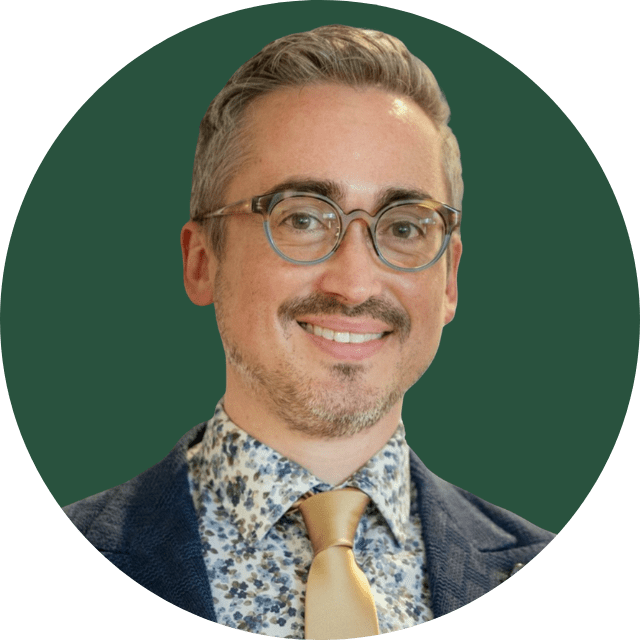
Chris Stauffer is Associate Professor of Psychiatry at Oregon Health & Science University (OHSU). An experienced MDMA-assisted therapy supervisor, trainer, and educator, he recently led a Phase 2 clinical trial investigating MDMA-assisted group therapy for veterans. He previously served on the Oregon Psilocybin Advisory Board, has taught across numerous psychedelic training programs, and serves as Director of the Social Neuroscience and Psychotherapy (SNAP) Lab housed at the Portland VA.
TPP: What factors do you consider when designing or facilitating a group-based psychedelic process?
Chris Stauffer: There are at least as many group-based psychedelic models as there are individual. Some things I consider when designing a group: Is this a cohort of people with pre-existing relationships or are they meeting for the first time? Will dosing take place at a retreat over a single weekend, or unfold over months or years? If the latter, is it for a specific indication (e.g., PTSD, prolonged grief) or population (e.g., combat veterans, parents who have lost a child)? These are all factors to consider when determining how to hold a group dosing container and what modality of preparation and integration to use.
If the group is relatively short-lived, the participants are heterogeneous, or there is more of a general focus, the container will typically be held more tightly and there is likely to be little crosstalk among participants during group dosing. Before and after might look more like a sharing circle where each person takes a turn speaking into the space.
Conversely, if the group will be meeting over a longer time period or the participants have a strong level of cohesion established, there may be more interaction among participants during dosing, and facilitators may encourage group dynamics to unfold more organically during prep and integration. Other important factors include dosing, facilitator experience with groups, and cultural context (e.g., specific traditional lineages or religious/spiritual practices).
TPP: How might group‑based approaches reshape facilitator training and accreditation?
Stauffer: Eric Berne, author of Principles of Group Treatment (1966), wrote that “knowledge of group dynamics for a group leader is as essential as knowledge of physiology for a physician”. The cost-effectiveness angle of the group model appeals to healthcare systems and administrators; however, group models are more complex than a solution to scaling.
Psychedelics can be “non-specific amplifiers” of group processes, which requires facilitators to be skilled in navigating and safely stewarding relational complexity with emergent group dynamics. Thus, group models may create opportunities for more interdisciplinary collaboration with practitioners like chaplains, peer support communities, and culturally-rooted healing practitioners. Psychedelic facilitator training should also include a curriculum on identifying and addressing pitfalls and risks related to group-based approaches.
TPP: How might clinical group models evolve to integrate relational and community‑based insights from traditional settings?
Stauffer: Clinical group models may increasingly draw from traditional and community-based practices that recognise healing and health as fundamentally relational rather than exclusively intrapsychic. While contemporary clinical models often prioritise standardisation and risk management, there is growing recognition that factors such as belonging, mutual witnessing, co-regulation, emotional synchrony, and communitas can substantially influence outcomes.
Regardless of setting, effective groups acknowledge the importance of collective ritual and mutual meaning-making. Future models may increasingly shift from episodic care toward longitudinal ecosystems of communal support and integration.
Max Crosland-Wood
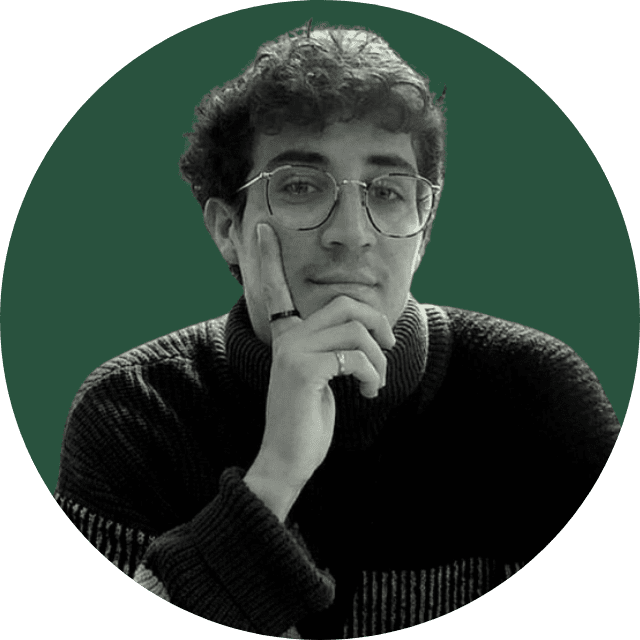
Max Crosland-Wood is a PhD candidate at the University of Exeter, where his research focuses on group psychedelic therapy. Alongside his academic work, he is a cognitive behavioural hypnotherapist and therapeutic massage practitioner. He also collaborates with Onaya Science, conducting research on ayahuasca-assisted therapy for veterans with PTSD.
TPP: How do you view the apprenticeship model working in psychedelic communities?
Max Crosland-Wood: Apprenticeship within psychedelic communities often occurs through participation, observation, and direct experience, with less experienced members learning alongside those who have spent longer in the work. Knowledge is transmitted relationally through shared practice, collective values, and group accountability rather than formal dyadic instruction alone. Through ongoing participation and feedback, the group develops the capacity to recognise when actions align with, or diverge from, its shared principles. This creates a form of implicit coordination grounded in lived experience rather than formal hierarchy.
Within this context, the progression from participant to helper and eventually to leader is best understood as a participatory apprenticeship: a gradual, embodied process rather than a series of discrete steps. Leadership is not viewed as a final destination; leaders remain learners themselves, supporting others while continuing their own development. In this way, the community cultivates continuity, renewal, and self-governance.
TPP: What benefits do you see group settings holding over and above individual sessions?
Crosland-Wood: The obvious benefit is practical: individual psychedelic therapy is expensive and resource-heavy, and we don’t have the means to meet rising mental health demands that way. Group settings make the work financially and logistically viable. And given how disconnected and lonely many people feel today, gathering to do this work together—rather than alone—carries its own kind of practical sense.
But the group isn’t just a cheaper container; it can offer conditions individual work can’t. There’s the potential for mutual care, peer support, and shared accountability—every person in the room can become a source of attunement and witnessing. And unlike facilitators or therapists, who are typically bound by their role to step back once the work is done, peers can continue to hold one another well beyond the intervention itself.
Group models also reflect the contexts in which psychedelics have most commonly been used throughout history and continue to be used today, including Indigenous ceremonial practices, neo-shamanic settings, retreat environments, and recreational contexts. In this sense, they may represent not only a more scalable model of care, but also a more ecologically valid expression of how psychedelic experiences are typically embedded within human relationships and communities.
TPP: What research questions about group dynamics and psychedelic practice is the field still yet to answer?
Crosland-Wood: We still need to establish the fundamentals of group-based psychedelic interventions, including their safety, feasibility, and efficacy within clinical settings. At the same time, there is a need to explore what may be possible beyond the clinic through community-based models, emerging psychedelic communities of practice, and other grassroots structures that may support the work in different, but equally valuable, ways.
At the heart of this inquiry are two interrelated questions. First, what effect do psychedelics have on the relationships within a group that undergoes a shared dosing experience? Second, how does preparing and journeying as a group—with the intention of fostering cohesion, trust, and safety — influence both the acute psychedelic experience and longer-term outcomes?
A particular focus of my doctoral research is the role of shared identity, co-regulation, and belonging within these contexts. Specifically, I am interested in how a felt sense of connection cultivated before dosing may shape both the quality of the psychedelic experience and its enduring effects. The task ahead is to better understand, refine, and articulate the mechanisms through which group and community-based containers may contribute to psychedelic outcomes.
Going Global
Going Global is your round-up of developments from around the world, from policy reform and insurance coverage decisions to shifting cultural attitudes and global access initiatives.
Today’s Going Global leans heavily towards the U.S., but for other developments, take a separate look at a recent Psychedelic Alpha Op-Ed on how Europe’s psychedelic landscape evolved in 2025.
States and Their Stakeholders: A Look at Oregon and Colorado’s Progress
A lot has happened in the U.S. in the past couple of months, from President Trump’s psychedelics-focused Executive Order to the Director of the National Institute on Drug Abuse (NIDA) advocating for the advancement of psychedelic research. At the state-level, too, we have a clearer picture of how psychedelics programs are developing and rolling out…
Inside Oregon’s Psilocybin Program: Growth Slows as Group Sessions Rise
Oregon Psilocybin Services (OPS) has published its fourth and final dataset for 2025, with the new figures summarised in our Oregon Psilocybin Services Tracker. Since launching in 2023, the program has generated more than $1.9 million in product sales revenue and served approximately 17,000 clients. Client numbers, however, declined slightly in the second half of 2025, potentially signalling an early softening in demand or a shift toward alternative options, including Colorado’s Natural Medicine Program.
Accessibility challenges also persist. The average household income of OPS clients remains around $170,000, while participation continues to reflect limited racial diversity, low representation of disabled clients, and a growing share of interstate and international visitors. The new State Health Improvement Plan (SHIP) may help expand access but benefits remain to be seen.
Of particular relevance to today’s issue, group sessions are accounting for an increasing share of all administrations, rising from roughly 12–13% in the first half of 2025 to more than 16% by Q4. As this is the First state-governed program that we have data on, this trend raises important questions about how OPS—and future state-regulated models—will balance individual and group-based delivery as these systems continue to evolve.
Colorado Complains: Stakeholders Share Comments with Department of Revenue
In late March, Colorado’s Department of Revenue published written comments it received from stakeholders in relation to draft rule revisions it has proposed.
The most frequent complaints in the 65-page feedback document revolved around fees, with many licensed entities and stakeholders opposed to fee increases. Some respondents said that fees were already too high.
Elsewhere, stakeholders expressed concerns around Colorado’s reliance on just one licensed natural medicine laboratory, which is the same scenario seen in Oregon.
DOR’s proposed operational rule tweaks also drew criticism. The agency may require the weighing, packing, and labeling of psilocybin products to take place on camera; and, in another suggested change, would require monthly administration session logs from healing centres. Stakeholders say these would increase the logistical and administrative burden on healing centres.
The Department of Revenue has since published its redlined draft rule revisions, which can be retrieved from its website.
Access Without Industry: Czechia and Germany’s Psilocybin Access Programs
During our time at the Interdisciplinary Conference on Psychedelic Research in the Netherlands, we learned that Germany’s psilocybin compassionate program is now underway, with the first few patients dosed at OVID Clinic in Berlin. The Central Institute of Mental Health (CIMH) in Mannheim, meanwhile, is finalising its plans to offer the drug at its public facility, where around 700 patients have apparently expressed interest.
In Czechia, meanwhile, we understand that 250 doses of psilocybin have been procured. Now, advocates are focused on securing reimbursement, which they hope to do prior to dosing the first patients.
Aussie Regulators Loosen Rules: Changes to Australia’s Psychedelics Access Program
Australia’s Therapeutic Goods Administration (TGA) has quietly loosened restrictions on its psychedelics access pathway, which sits under the authorised prescriber (AP) scheme and is possible following a summer 2023 limited rescheduling of psilocybin- and MDMA-assisted therapy for treatment-resistant depression (TRD) and PTSD, respectively. The update comes by way of a publication in the agency’s consultation hub.
TGA made four changes, which include broadening the types of psychiatrists who may be authorised under the scheme as well as practitioners who may be involved in the therapy dyad. The new rules also clarify oversight requirements for APs as well as the types of locations where sessions can take place.
While advocates hope that the rule changes will broaden access, some stakeholders feel they’re still too strict. On the topic of who can be involved in the therapy dyad, for example, some involved in the system were frustrated to see TGA specify that psychologists may not be a lead therapist unless they have a clinical psychology endorsement from the country’s Psychology Board.
Ibogaine Involvement: Gabon Issues Decree
While enthusiasm for ibogaine research and drug development continues full-steam in the U.S., some voices in the central African country of Gabon are looking to slow the roll and clarify the country’s place in any such activity. Late last month, we reported, Gabonese lawmakers adopted a decree that sets out to regulate access to, and use of, iboga and its derivatives, as well as associated traditional knowledge.
Yann Guignon, who founded Blessings of the Forest, which was influential in the passage of the decree, described it as ‘a historic step’ for the Central African country. The organisation, which says it is dedicated to preserving the country’s cultural and spiritual heritage, added that this latest development is the culmination of years of work.
Research Radar
Here, we dive a little deeper into some of the most pressing research topics shaping the world of psychedelic practice. Each item ends with the Bottom Line for those of you who are pushed for time or want our read on the subject.
Ibogaine in Focus
Following the psychedelics-focused Executive Order in April, ibogaine continues to capture outsized attention in the U.S. Despite compounds such as psilocybin and MDMA being considerably further along in terms of clinical validation, the spotlight on ibogaine surfaces a deeper conversation about the complex interplay between science, politics, and culture.
Ibogaine is a psychoactive alkaloid derived from the root bark of Tabernanthe iboga, a shrub native to West and Central Africa. Indigenous communities have stewarded the use of iboga for generations, with the Gabonese recognising the plant as a cultural heritage species central to the Bwiti tradition. In Bwiti rituals, the sacred plant is consumed to facilitate spiritual insight, connection to ancestors, and deep emotional and physical healing, with ibogaine ceremonies fostering self-discovery and harmonious living with the natural world.
Ibogaine first entered Western scientific awareness in the early 20th century when it was isolated from Iboga and briefly sold in France as an antidepressant and a mental stimulant. In the 1960s, Howard Lotsof, an American researcher, reportedly took ibogaine and experienced resolution of his heroin withdrawal symptoms overnight. Since then, there has been a limited body of systematic investigation into the substance, focusing primarily on substance use disorders (SUDs), PTSD, and traumatic brain injury (TBI).
One 2024 paper, published in Nature Medicine, investigated the use of ibogaine in 30 special operations veterans, all of whom were suffering with significant TBI. The veterans received ibogaine alongside intravenous (IV) magnesium—to help protect the heart—at Ambio Life Sciences in Mexico. The observational study reported reductions in disability, PTSD, depression, and anxiety, with the latter two dropping by ~80-90% at the one-month mark; though these were secondary outcomes.
The study has been influential, despite notable methodological limitations including its observational design, lack of placebo control group and blinding, short follow-up period, and a small, highly selective, sample.
Other uncontrolled data have also hinted at promise, including a recent case series that reported clinical improvement following an integrative microdosing iboga protocol in three individuals with post-concussive and hypoxic brain injury syndromes.
There is just one randomised controlled trial (RCT) investigating ibogaine in a clinical population, which dates back to 2014. The UK-based study included 20 participants with cocaine dependence; half were given ibogaine, the other half placebo (sugar powder), with all participants followed for 24 weeks. The ibogaine group showed a significant reduction in dependence severity at both 72 hours and 24 weeks, suggesting efficacy in reducing relapse even in more chronic stages of addiction.
Across these studies, little attention is drawn to the nature of psychological or therapeutic support delivered alongside ibogaine. Instead, the focus is placed on physical safety; particularly cardiac monitoring, given ibogaine’s well-documented risk of inducing a specific type of arrhythmia that can be deadly.
Although neither study reported serious cardiac or cardiovascular adverse events, both utilised intensive cardiac screening and monitoring with specialist medical equipment, and included all-male populations—with the latter being of special interest given evidence suggesting women may be more prone to drug-induced arrhythmias resulting from electrophysical and hormonal differences.
Indeed, when we look more broadly, a 2023 review of 31 publications—including case reports and surveys, as well as controlled studies—found that, despite evidence of efficacy in reducing withdrawal symptoms and cravings in many, ibogaine was also associated with numerous fatalities: 24 are reported in the review. Notably the denominator, or the number of people treated with ibogaine, is not estimated and thus no mortality rate is provided.
Importantly, this review drew on data from retreat centres in the Caribbean and Mexico, where thousands of individuals—including many veterans—are reportedly seeking treatment at great cost. In these settings, where standardised screening is limited, monitoring protocols are variable, and there is little obligation to report outcomes, safety data appear less favourable.
(A separate review and retrospective analysis Psychedelic Alpha is aware of attempts to calculate a mortality rate, and their findings suggest a low absolute rate that is indication-specific. It is currently awaiting publication. Editor’s note: the article published the day prior to this Issue.)
It’s possible that such environments will evolve over time. As noted by Dr. Nora Volkow in a recent interview with Psychedelic Alpha, the National Institute on Drug Abuse (NIDA) is planning to review ECG readings before, during, and after ibogaine administration from Transcend Clinic in Mexico.
But alongside safety concerns, broader ethical questions persist around ibogaine’s medicalisation. For many in Gabon, iboga traditions are rooted in ancestry, ceremony, and relationship. Ethnographic accounts of Bwiti practice describe iboga as being served within a village context to unite the community and promote collective growth. Healing, then, is a communal endeavour, contrasting with the highly individualised frameworks within which psychedelics are typically situated in the West. How this mismatch in intentions may shape outcomes as ibogaine enters Western medical systems remains an open question.
Concerns also remain around fair recognition and compensation for Indigenous knowledge holders who have long stewarded this medicine. Many stress that removing iboga from its traditional container—where communities train with it across generations and embed its use within longstanding ceremonial practices—not only raises safety concerns, but risks extracting knowledge and biological resources without equitable benefit sharing. Even if sourced directly from Gabon, increased demand risks overharvesting and illegal exportation, mirroring patterns seen in the ongoing peyote conservation crisis.
Some practitioners, particularly in the wake of recent policy momentum, have called for a more “responsible” model of ibogaine development that involves Gabonese stakeholders and directs a portion of profits towards Indigenous health and cultural preservation. Gabon has also moved to strengthen oversight through a recent decree aimed at regulating access to Iboga and derivatives—although whether such measures will meaningfully influence the pace and direction of commercialisation remains unclear (see Going Global for more).
Even if one were to put concerns around safety and ethics to one side, the scalability of an ibogaine-based treatment also remains questionable, given its long duration of action and the necessity—with current protocols, at least—to provide close cardiac monitoring for days at a time.
Bottom Line: While early findings are promising, the evidence base for ibogaine remains limited and important safety, methodological, and ethical questions persist. We now await to see how various projects, from state-funded research programs through to for-profit drug development, progress following the executive order’s April signing.
Findings in Brief
🧑⚕️Therapist-Rated Predictors of Response. A recent cross-sectional survey published in Nature Mental Health was distributed to therapists involved in psychedelic-assisted therapy to assess the perceived impact of various session parameters on therapeutic outcomes. 158 therapists who responded identified several factors as particularly conducive to positive outcomes, with the highest ratings given to a strong therapeutic alliance, robust social support, personality traits such as openness and capacity to surrender, secure attachment, and a belief in an active mode of therapeutic action.
📝 The Therapeutic Alliance Debacle. A post hoc analysis of Phase 2b data published by Compass Pathways researchers found that therapeutic alliance was only weakly correlated with clinical benefit, while other measures related to the psychedelic experience—such as oceanic boundlessness—showed stronger associations. Just days later, Max Wolff and colleagues contested the findings in a preprint commentary arguing that the alliance-outcome was broadly consistent with effect sizes from conventional psychotherapy research. The researchers argue that Guy Goodwin et al.’s analysis does in fact demonstrate an effect of therapeutic alliance on outcomes, but that this effect was mediated via the psychedelic experience itself. In other words, the therapeutic alliance shapes the psychedelic experience, which in turn shapes therapeutic outcomes. They also noted the omission of the STAR-C scale—a clinician-rated measure of therapeutic alliance—which was included in the study protocol. This exchange marks the continuation of an ongoing debate between Goodwin and Wolff.
🙈 Blinding Integrity: A Systematic Review. A systematic review published in JAMA Psychiatry last month aimed to quantify the prevalence of blinding integrity assessment and the extent of functional unblinding in psychedelic randomised controlled trials (RCTs). Across 112 RCTs examining seven different psychedelics, 57.1% identified blinding integrity as a limitation, yet only 29.5% directly assessed it. Many studies reported blinding failure rates exceeding 90%—far higher than those typically seen in trials of other psychiatric interventions. Although ketamine trials showed modest blinding success through the use of midazolam, blinding still fell short of being truly effective. Proposed methodological alternatives include moving beyond traditional RCT designs, comparing psychedelics directly with standard treatments, or employing multiple-dose paradigms.
🖋️ Racial and Ethnic Gaps. An Opinion piece in STAT highlighted the persistent racial and ethnic disparities seen in both psychedelic research and broader psychedelic use. One study found 12% of white Americans have used psilocybin at some point, compared with 3.4% of racial and ethnic minorities, with similar gaps observed across other psychedelics. A 2018 review echoed this, finding that 82.3% of participants in psychedelic studies identified as white—a figure that contrasts with the disproportionate burden of depression and suicide experienced among Black and Indigenous communities. Some emerging work even suggests reduced efficacy of psychedelics among Black and Hispanic populations relative to white counterparts, though it remains difficult to disentangle pharmacological differences from the far more plausible influences of medical mistrust, negative perceptions of clinical environments, and the broader structural context shaping who feels safe enough to let go.
🧠 Ibogaine Findings Suggest Structural Neuroplasticity in Vets. A follow-up paper on ibogaine treatment in special operations veterans found that the 30 participants showed reduced brain age—by a mean of 1.3 years at one-month follow-up—alongside increased cortical thickness, findings consistent with enhanced structural neuroplasticity.
😶🌫️ Non-Conscious Mechanisms of Ketamine. A recent cohort study published in JAMA Psychiatry found that the cortical activation associated with ketamine’s subjective effects remains intact even without conscious awareness. The findings may open a path toward developing more targeted compounds that preserve therapeutic mechanisms while minimising—at times unwanted—experiential effects.
🧳 Life Changes Following Psychedelics. A survey of naturalistic psychedelic use in 581 participants showed that ~83% reported at least one major life change following use. Changes included goals, religion/spirituality, eating habits, occupation, political views, and sexuality. Women were 21% more likely to report major life changes, while both older age and higher educational attainment were negatively associated with such changes.
👋 Enter 2-CB. A study published in Neuropsychopharmacology compared 2C-B, psilocybin, and MDMA in a placebo-controlled trial of healthy volunteers. The findings showed that a 30 mg dose of 2C-B produced MDMA-like increases in empathy alongside psilocybin-like psychedelic effects within the same session. Across the compounds, only psilocybin was associated with significant anxiety and “bad drug effects” compared with placebo, and MDMA produced the greatest cardiovascular stimulation, followed by psilocybin, then 2C-B. On balance, 2C-B fared best.
👥 CBT Deepens Benefit from Esketamine in Trial. A recent study found that a structured 16-week course of cognitive behavioural therapy (CBT) following an initial course of esketamine led to greater improvements in suicidal ideation and overall depression severity compared with esketamine plus treatment as usual.
Ethics Corner
Each Issue, Eddie Jacobs and Bryony Insua-Summerhays explore an ethical question or topic as it pertains to psychedelic practice.
Fellow Travellers Part 2: The Hidden Life of Group Integration
Picture a circle of eight people, the day after a psilocybin ceremony. A man – a tech founder, six ceremonies deep – speaks first. He uses the language fluently: surrender, ego death, non-duality. The group leans in, asks questions. By the time he finishes, something has been established, though no one is quite sure what. A woman speaks next, tentative and quiet. She describes seeing her mother back home, braiding her hair, a tsunami of grief carrying them both away. The group responds kindly, but quickly, translating her account into its own familiar terms. A young man, new to psychedelics, says little. His experience was bodily and confusing – nausea, terror, a sense of being watched. He is not sure it counts. He nods along, passes tissues, the group’s silent witness. No one asks what he comes with. He leaves feeling conspicuous, alienated, unsure whether he has failed the experience or failed the group.
None of this is named. The group is warm, generous and sincere – which is precisely why its undercurrents are so easy to miss.
The fellow-traveller promise
In a previous column, On Fellow Travellers, we argued that integration groups offer something valuable via the solace of recognition. Ego dissolution, vivid internal imagery, the difficulty of returning to ordinary life – these need a sense-making container. Peer groups provide them.
Here we explore a subtler challenge: the shadow side of the “fellow traveller” trope, and the risk of holding this ideal too tightly. Shared experience can counter isolation, but it can also manufacture false equivalences. “We have all been there” is an empty promise: no one has been to the same place in the same way. Each person enters a ceremony already shaped by a life, and what follows bears its imprint. The gatherings that follow are not neutral containers. They shape how the experience is remembered, understood and integrated. By influencing what can be expressed and made meaningful, the group becomes part of the intervention.
How groups protect themselves
It is well understood in group psychotherapy and organisational dynamics that every group develops a social order. It may be peer-led and committed to equality, but it will still produce hierarchies, norms and anxieties. Some voices carry more weight, with accounts fitting the group’s model of what a “good trip” looks like. Some forms of distress are easier for the group to contain than others. But this has particular salience where the boundaries of the self are pharmacologically altered. During psilocybin dosing, people may have felt dissolved, merged or invaded. Returning to a circle of faces can stabilise, but it can also give rise to precisely the dynamics the experience has exposed.
This is where group process matters. When an experience does not fit the narrative, when conflict surfaces, or when someone’s distress implicates the group rather than just the substance, the material may be pushed outside. The more the group experiences itself as supportive and equal, the harder it may be to recognise conflict, hierarchy, or exclusion. The result is not integration but covert fragmentation. The group may appear cohesive, but the material has gone underground.
Ethical writing on group psychotherapy has long recognised that the features that can make group work powerful are the same ones that make it risky. The facilitator’s task is partly to attend to the shifting balance between individual and collective benefit and harm; knowing when one member’s work needs to pause for another’s response, when pace must be regulated, when the room is asking more of someone than they can manage.
What complicates this further in psychedelic groups is what their promise rests on: the assumption of shared experience that makes recognition possible also makes comparison inevitable. Across settings, research suggests that comparison can silence or isolate participants whose experience does not fit the implicit hierarchy of what counts. Dominant accounts and personalities can crowd out others; some find their own suffering trivial by comparison and fall silent, while others feel their experience was insufficiently profound, leaving them unsure how to place themselves in relation to the experience or the group.
Listening at two levels
Group work, done well, requires a difficult balance: enough structure for people to feel held, but enough room for difference to surface without the group rushing to smooth it over. When someone speaks and the group reaches too quickly for reassurance and sameness, it is worth asking what is being managed, why, and whom this serves.
This means facilitators – where groups have them – need to listen at two levels at once: to the individual account of the dosing experience, and to the group stage on which that account takes form. Who is authorised to speak? Which meanings gain traction? What is avoided, assigned, or translated away? The key material is not only what is disclosed, but how quickly the group makes it familiar. The grieving woman is met with warmth, but her account is folded into the group’s stock language. The young man’s composure is easier still to misread: his alienation disappears into the role he has been given, carrying something the group has not yet found a voice for.
Integration is not simply the preservation of harmony. A cohesive group, an affirming room – these are not the same as integration. A group that confuses them may produce comfort for some at the cost of others. This means becoming more capable of registering what emerges within the group process, including what threatens the group’s preferred image of itself and its members. It means treating the group itself as part of the intervention, rather than as a neutral backdrop. And while the group may offer recognition, it may also confer status, invite comparison, generate pressure, and misattribute distress. A group that can attend to these processes has a better chance of becoming a genuine site of integration.
Dr. Eddie Jacobs and Dr. Bryony Insua-Summerhays
Ethics Corner Writers

Thank you for Reading
Our next issue will be published in August. Join our free newsletter, below, to make sure you receive it.
Don’t forget to check our Job Board for opportunities in the space.
Thank you for reading our fifth Issue!
Josh Hardman and Alice Lineham
The Editors, The Psychedelic Practitioner
Subscribe to future issues
Practice-focused insights, delivered to your inbox.
Issues are currently published every other month. Join our free newsletter to receive them:
By signing up, you agree to our privacy policy. You can unsubscribe at any time.