The Psychedelic Practitioner Issue 6: Preparedness (People)
Welcome to our sixth Issue of The Psychedelic Practitioner.
As we head toward the first potential approvals of psychedelic therapeutics in the United States, this Issue and the next will revolve around ‘Preparedness’, split into two parts: people and systems.
This first Preparedness-focused Issue, then, focuses on the people who might be delivering psychedelic treatments once they’re available. Given our focus on the potential launch of psychedelics in the ‘medical model’, much of this Issue necessarily leans toward that side of the psychedelic practice continuum, though we do hope that practitioners in other realms will find it useful and engaging (and, as always, do reach out if you have any ideas for cross-pollination between practice contexts).
We are proud to again bring you some of the brightest and most thoughtful minds in the world of psychedelic practice. This Issue, you will hear from our featured interviewee, Dr. Rachel Yehuda, who shares her insights on a therapist training program within the VA that she has played a central role in, along with approaches to scaling training, and some more general advice for practitioners.
We also hear from Dr. Heidi Allen, Andrew Penn, and Gabriel Charalambides, practitioners working in the space who weigh in on upcoming approval decisions and the potential rollout of psychedelic therapies.
As always, The Psychedelic Practitioner also features practice-focused updates from around the world, and a closing thought from our Ethics Corner columnists, Dr. Eddie Jacobs and Dr. Bryony Insua-Summerhays.
Thank you for reading!
Alice Lineham and Josh Hardman
The Editors, The Psychedelic Practitioner
Subscribe to future issues
Practice-focused insights, delivered to your inbox.
Issues are currently published every other month. Join our free newsletter to receive them:
By signing up, you agree to our privacy policy. You can unsubscribe at any time.
Sponsor Message

Psychedelic Alpha is grateful to the folks at Osmind, sponsors of The Psychedelic Practitioner.
Adding a novel treatment is a clinical decision and a business one. Osmind is your interventional psychiatry practice partner. 800+ practices use our platform and services to deliver treatments like Spravato profitably and compliantly, and to prepare for what’s next, including psilocybin.
Vitals
Vitals is your pulse check on the psychedelic field: a concise scan of the developments, discoveries, and debates that matter most for practitioners. Each item ends with the Bottom Line, for those of you who are pushed for time or want our read on the news.
Three Years in the Making: FDA Issues Final Guidance on Psychedelics
Last month, FDA issued its final guidance on the clinical investigation of psychedelics—just shy of three months after April’s executive order, and three years after the draft version was released in June 2023. While much of the original draft remains intact, there were some notable changes, which Psychedelic Alpha laid out in a section-by-section review.
Some of the primary changes in the final guidance include:
- Broadens scope to explicitly account for atypical psychedelics, such as ibogaine.
- Simplifies the monitor definition to “a health care provider with graduate-level professional training and clinical experience in psychotherapy, licensed to practice independently”.
- Expands assistant monitor eligibility to include those with a nursing degree plus one year of clinical experience in a licensed mental health care setting.
- Emphasises that sponsors should describe the treatment paradigm used in trials, including whether psychological support or psychotherapy featured, and notes that this may feature in product labelling. The agency did not distinguish between psychotherapy and psychological support.
- States that the “most informative clinical trial design would incorporate blinded long-term follow-up (typically 12 months) with prespecified criteria for retreatment”—a stricter ideal structure than that envisaged in the draft, which mentioned a year-long open-label extension.
- Strengthens its warning around potential interactions between monoamine oxidase inhibitors (MAOI) and psychedelics.
Bottom Line: FDA’s final guidance for clinical investigations of psychedelics looks substantively similar to its 2023 draft. While many researchers and sponsors welcome the finalisation of the document, and the clarity it provides over certain elements of trial design, others feel that the agency is holding psychedelics to a higher bar than other programs in psychiatry.
For practitioners, it is worth noting that, while the guidance makes recommendations on the design of clinical trials, it should not be understood as providing the strictures in which any eventual clinical delivery of an approved psychedelic may operate.
On the Record: FDA to Hold Psychedelics-Focused Public Hearing
Separately, FDA will host a four-hour public hearing on September 14th, which will broadly focus on “the potential future therapeutic use of psychedelic drugs.” The meeting will take place at its White Oak campus in Maryland, but virtual attendance and participation are also available.
The agency has specified four broad topics that it hopes to hear from the public on:
- Provider training and credentialing
- Promotion of patient safety
- Considerations for access
- Best practices for data collection and standardisation
This is an excellent opportunity for practitioners, individuals or groups thereof, to present their views to FDA and related agencies. You can learn more, register to attend, and request to present via the FDA website.
Pharma’s 5-MeO-DMT Bet: Eli Lilly Acquires Atai Beckley
The largest psychedelic acquisition to date was announced last month, with Eli Lilly set to acquire AtaiBeckley for up to $3.8 billion. The deal came a year after atai Life Sciences absorbed Beckley Psytech, the private British biotech whose lead asset is BPL-003, an intranasal 5-MeO-DMT formulation primarily under development for treatment-resistant depression (TRD).
This marks the third deal of its kind in under a year, with Otsuka buying methylone developer Transcend Therapeutics earlier this year, and AbbVie acquiring Gilgamesh’s lead candidate, bretisilocin, in late 2025. Lilly’s press release avoided the word “psychedelic” entirely, instead highlighting “rapid reductions in depressive symptoms”, with no mention of the experiential component.
Bottom Line: While investors and drug developers have broadly welcomed the merger, some practitioners have questioned whether the world’s largest pharmaceutical company is the right fit for one of the world’s most potent psychedelics. Indeed, 5‑MeO‑DMT experiences can be intense, with anecdotal accounts describing them as potentially destabilising or catalytic. Just how patients fare in larger studies of 5-MeO-DMT, which, along with other psychedelic candidates, is being positioned in a more Spravato-type model, remains to be seen.
Definium Delivers: First-Ever Phase 3 LSD Data Suggests Strong Results
Last month, Definium Therapeutics released positive topline results from Part A of its Phase 3 ‘Emerge’ study of LSD (DT120) for major depressive disorder (MDD). The 149-participant trial, which compared a single 100µg dose of the company’s orally disintegrating tablet (ODT) formulation against placebo, hit its primary endpoint (MADRS change from placebo at week 6) with an 8.1-point difference, and a reasonable safety profile.
That placebo-adjusted effect outpaced Compass Pathways’ Phase 3 readout, though a direct comparison warrants significant caution as both of Compass’ Phase 3 studies trialled COMP360 psilocybin in patients with treatment-resistant depression (TRD). While many of Definium’s participants had tried multiple antidepressants to no success, the mean duration of their current depressive episode was 8.9 months, which is substantially different to that seen in Compass’ trials.
Definium also emphasised the fact that participants cleared its in-house, 8-item End of Session Checklist at 5.8 hours on average. The company presumably hopes this will inform the minimum monitoring duration that would be set out in a Risk Evaluation and Mitigation Strategy (REMS) program FDA would require in the case of an approval. Compass Pathways, meanwhile, only began administering its discharge-readiness questionnaire at the 6-hour mark, meaning the REMS associated with its COMP360 psilocybin will almost certainly have a 6-hour minimum monitoring period, too.
Non-drug support, or lack thereof, has become a focal point of this protocol, along with other late stage drug developers’: Definium has been explicit that it eliminated this component entirely, focusing instead on identifying the minimum conditions for safety and efficacy. Speaking to Psychedelic Alpha last month, Definium’s Chief Medical Officer Dan Karlin said that both himself, and the company, “believe in the power and strength of psychotherapy” but noted that there is “a lot of work to be done” before we can truly gauge the synergistic benefit of psychotherapy and psychedelics.
Bottom Line: This is the first Phase 3 dataset for LSD, and the first for Definium. The market agreed, with shares jumping on the news and the company closing the largest raise on record in what was the biggest ever quarter for psychedelic financing. Whether psychotherapy makes its way back into the model after commercial launch is a key question across all of the late-stage psychedelic drug development programs that will of course have implications for practitioners.
Editor’s Note: Shortly after this Issue was finalised, Definium announced positive topline data from its Phase 3 study of LSD in generalised anxiety disorder.
Closing In: Compass Points Towards Approval
Early in July, Compass Pathways released its 26-week data from its second, larger (N=581) Phase 3 study (COMP006), marking the last substantial data readout ahead of a planned new drug application (NDA) submission in the fourth quarter of this year.
Two fixed doses of COMP360 psilocybin (given three weeks apart) were tested at 1mg, 10mg, or 25mg. Results showed that the 39% of participants in the 25mg group who showed >25% reduction on MADRS by week 6—with these initial results reported back in February—maintained this response through to week 26. Interestingly however, the separation between the 10mg and 25mg was not especially pronounced.
Bottom Line: The consensus is that these data are sufficient for approval, and Compass is now gearing up for a potential launch in the first half of 2027. Outstanding questions include what the restrictions around the use of the drug might look like (e.g., REMS), how quickly COMP360 psilocybin could be launched in the case of an approval (e.g., DEA rescheduling timelines), when, and to what extent, insurers will provide reimbursement, what dosing regimens will look like, and so on.
Interview: Dr. Rachel Yehuda

Dr. Rachel Yehuda is the Chemers Neustein Family Professor of Trauma and Resilience at the Icahn School of Medicine at Mount Sinai, where she also serves as Vice Chair for Veterans Affairs in the Department of Psychiatry. In 2020, she established The Parsons Research Center for Psychedelic Healing at Mount Sinai, where she serves as Director. She leads research on MDMA-assisted psychotherapy for PTSD at the James J. Peters VA Medical Center, including a recently completed trial sponsored by Resilient Pharmaceuticals, and has led therapist training initiatives for clinicians preparing to conduct psychedelic research within the VA and other institutional settings.
TPP: Your group has trained more than 300 therapists within the Veterans Affairs (VA) healthcare system and other community centers in MDMA-assisted therapy. Could you tell us a bit about that
Rachel Yehuda: When I first became interested in psychedelics in 2018, it became clear it was going to be an uphill battle to set up psychedelic studies at the VA. One of the biggest barriers was that there was no existing VA workforce with experience delivering psychedelic-assisted therapy.
The first step was to train my own team at the Bronx VA. I raised philanthropic funds to send some of our psychiatrists and psychologists to MAPS therapist training led by Michael and Annie Mithoefer. These were experienced VA clinicians who knew a great deal about veterans, trauma, and conventional treatments for PTSD, but very little about psychedelic-assisted therapy. The training was required for us to conduct a MAPS-sponsored study at our site, which was our intention.
After we understood how different this model was from the kind of therapy done at VA, and we realized how many people wanted to learn it, we wanted to replicate this type of training model to serve clinicians at VA and other academic or healthcare institutions. We worked with MAPS PBC to build a train-the-trainer program that would allow us within several years to be able to train and certify practitioners in this model.
We wanted to open the training to participants who worked with veterans. They did not have to work in the VA; we also included clinicians from the Department of Defense. To participate, clinicians needed to demonstrate that they were in a setting where there was a realistic possibility of launching a study. Several of the investigators now leading psychedelic trials within the VA participated in those trainings.
The MAPS trainers, Michael and Annie, observed and evaluated our therapists as they learned to deliver the training and do the psychedelic work on patients themselves, allowing us eventually to develop an internal training capacity.
As the program developed, broader questions emerged about the psychotherapy model itself. Was it sufficiently structured for use across clinicians and institutions? Could therapist adherence be assessed? Could we establish meaningful standards for training, supervision, and quality?
We concluded that the original manual could be adapted to fit into more contemporary ideas in academic and clinical psychology and trauma-focused therapy. This led to the Integrated MDMA Assisted Psychotherapy Protocol (IMAP), which is available online.
“Ultimately, the best teacher is experience. Once people really start working with psychedelics in the context of a clinical care or community setting, they’re going to learn a lot more from the actual way that things unfold in session. I also think what is really important is having a supervision network or group discussion where you’re able to talk about a case or an intervention.”
TPP: How might this model look when we’re thinking about scaling things ahead of potential approvals?
Yehuda: With our model, there may be ways to scale the training that don’t involve a continuous five- or six-day experience. It could be taught as part of a once-a-week model over a longer period of time, for example. The field needs to come together and figure out how to impart this information, but there’s no law that says the training has to be done the way we’ve been doing it—most people learn things over time.
Ultimately, the best teacher is experience. Once people really start working with psychedelics in the context of a clinical care or community setting, they’re going to learn a lot more from the actual way that things unfold in session. I also think what is really important is having a supervision network or group discussion where you’re able to talk about a case or an intervention.
The fact that many sessions now are taped in research also means we can analyse the content of a session and learn a lot from this review process. Once we’re able to link frame by frame and session by session data to clinical outcomes, we’ll be able to look at whether a particular intervention was successful. We’ll be able to see the impact of nuances of body language, eye contact, and silence, for example.
I also think qualitative work is going to be very important here, but the field is not as comfortable with it yet. Nor is it comfortable treating psychotherapy with the same rigor as understanding the molecule. We are more comfortable with quantitative work—objective biological measures, and looking at receptors and neuroplasticity—than we are with studying what actually happens in psychotherapy. But the consistent message we receive about psychedelics is that context matters.
So, if context matters, then we have to identify the components of psychotherapy that shape the context of the psychedelic experience and help make it therapeutic.
TPP: I saw a post recently about your group’s collaboration with Lucy, an AI-based training platform. Do you have any thoughts on this when it comes to training therapists?
Yehuda: What we talk about all the time with our partners at Fireside is that what Lucy gets fed determines how well Lucy is going to perform, and so it’s not hypothetical—it has to be based on real world experience. Many years ago, when I was receiving supervision, the supervisor would say, “A better thing to have said would have been…”, or “See when you said this…look what happened.”
Then you would think to yourself, “Oh no, I blew it. I said the wrong thing, and the patient clammed up”. And the supervisor would always say, “That’s the beauty of this work. You can go back next week, and pick it up again and fix it”. And sometimes in the discussion of what you could have said, a new thing emerges that’s even better. That was a really nice way for me to understand that underlying everything isn’t the exact words you say to a patient, but it’s the trust, the relationship, and the honesty.
So again, the biggest problem right now isn’t what type of psychotherapy to use. It’s just making sure people understand how important it is to the process when you are dealing with people that have mental health symptoms because of a trauma.
TPP: What other approaches might help us meet the growing demand for psychedelic facilitators as we near regulatory approvals, without compromising the quality of training? Are there any primary bottlenecks in that process?
Yehuda: There are different levels of training and education, and as these approaches become legal we’re going to find that material creeps into curricula earlier such that we won’t have to train people in the same way. There will be exposure to this content earlier on into graduate courses, social work, nursing, and medical schools.
Wherever someone is training, they will learn what a psychedelic experience is, even if you’re not learning how to be a psychedelic therapist. So a lot of the building blocks that we currently have to train people in might soon form part of the knowledge base that a provider already has before they seek to specialise in psychedelic therapy.
“As these approaches become legal we’re going to find that material creeps into curricula earlier such that we won’t have to train people in the same way. There will be exposure to this content earlier on into graduate courses, social work, nursing, and medical schools.”
And then there are different inflection points. One is the didactics: you watch a lot of sessions, you talk about them, you read the training manual, you understand the framework for decision making. You learn the basic do’s and don’ts. You get to review easy sessions, beautiful sessions, really hard sessions.
Then there’s another phase of learning, which is what happens when you become the therapist. What I see in the future is an apprentice-based model, where a second person in the room acts as a trainer.
There have been a lot of conversations over the years about scalability, but I don’t think we can rush to scale too quickly as we’re not even sure what we want to scale yet. Even if these drugs become approved, it’s not going to be the next day everybody’s becoming a psychedelic therapist. There’s going to be a slow rollout, and different institutions will need to take responsibility for the kind and level of training they want to provide.
“There have been a lot of conversations over the years about scalability, but I don’t think we can rush to scale too quickly as we’re not even sure what we want to scale yet. Even if these drugs become approved…There’s going to be a slow rollout, and different institutions will need to take responsibility for the kind and level of training they want to provide.”
Different guilds will want to have different requirements based on whether you’re a nurse, a nurse practitioner, a social worker, a psychologist, or a psychiatrist. So there might be a set of competencies that you need no matter what your education is, and another set of unique competencies based on your discipline that your guild would take responsibility for deciding.
For example, in the area of touch in psychotherapy, which has been appropriately discussion-provoking: what kind of touch under what circumstance? Some clinicians, such as nurses, may have more experience using touch within their ordinary scope of practice than other clinicians do. But we have not yet had the conversation about whether the role of a nurse in the room should differ from that of a psychologist or psychiatrist. Those questions should be answered by thoughtful clinical standards and evidence, not by assumption or what might be most expedient from a regulatory standpoint.
I see this as a very fluid situation where the kind of training that would have been perfect in 2020 may be obsolete by 2028.
TPP: Your group has offered this training free of charge so far but some training programs charge therapists thousands of dollars. As demand grows, who do you think should carry that cost going forward?
Yehuda: Historically our training has been free, yes, and we will either keep raising philanthropy funds to continue this, or we will start looking at a model where people are paying for their training. We want to keep training people, so we’ll have to see how it goes.
When you’re talking about a healthcare system—either in an academic environment, a hospital environment, the VA system, or a national healthcare system—that system has to take some of the responsibility for the training. If you want to open up a private practice or clinic and you’re willing to shell out a lot of money in order to have the training to do so, that’s one matter. But that’s a different issue than trying to integrate psychedelic therapies into mainstream clinics that are already organised and operational.
“When you’re talking about a healthcare system—either in an academic environment, a hospital environment, the VA system, or a national healthcare system—that system has to take some of the responsibility for the training.”
One of the reasons we wanted to be able to offer free training is that nobody who took the training in our VA would have likely shelled out $10,000 of their own money to do so, not to mention given up a week of their limited vacation time.
One model would be to incorporate training into the continuing education programs that already exist. The VA system has a fabulous online training platform and continuously offers new opportunities, so what would it look like for the VA itself to provide this training? The information would likely look different for somebody who’s actually going to be a credentialed psychedelic therapist, compared to a mental health worker who should know the basics because it’s one of the offerings in the system.
Again, lots of discussions to be had. And they’re going to be more difficult to have if we keep saying that we don’t need psychotherapy. Yes, while we want to simplify the process of getting a drug approved, the big picture is that people have to know how to work with the patient who has taken the drug and is now in an altered state. This is not the case where the doctor writes a prescription, somebody picks it up at the drugstore, takes it, and then checks back in about side effects at a later date. This is a markedly different model.
TPP: What do you think formal training fails to prepare practitioners for when they step into real‑world delivery?
Yehuda: I think the clinicians at the Bronx VA have learned the most from treating patients, being in sessions, and being able to discuss those cases in formal supervision and informally with one another. So we’re introducing an hour a week of group supervision where we just talk about what happened in sessions. One of the things that’s truly remarkable is how individualised the sessions are—how different they are one from another. But that’s also a challenge in terms of scalability and standardization. You want reliability and you want things to be similar for training purposes, but when you’re talking about somebody’s inner world following trauma, it’s rarely going to look the same for every person.
“One of the things that’s truly remarkable is how individualised the sessions are—how different they are one from another. But that’s also a challenge in terms of scalability. You want reliability and standardization and you want things to be similar for training purposes, but when you’re talking about somebody’s inner world following trauma, it’s rarely going to look the same for every person.”
TPP: What advice would you give practitioners preparing to deliver care once broader approvals happen?
Yehuda: We tell patients to have a beginner’s mind. Therapists should also not go in with rigid expectations and see this as a learning experience. The therapist’s primary responsibility is keeping the patient physically and psychologically safe.
Ultimately, experience will be the teacher. It can be hard for people because they are training for something they either have not done yet or cannot yet do openly in a setting where they can receive proper supervision. Hopefully, that will change, and we will be able to discuss cases more openly and share knowledge about which interventions work and which do not.
It is important to remain open to revising what we think we know as the field develops. But that does not mean everything clinicians have already learned is irrelevant to psychedelic therapy—quite the contrary. The people who will be best at this already know a great deal about psychotherapy and how to use it in many different contexts without psychedelics.
“It is important to remain open to revising what we think we know as the field develops. But that does not mean everything clinicians have already learned is irrelevant to psychedelic therapy–quite the contrary. The people who will be best at this already know a great deal about psychotherapy and how to use it in many different contexts without psychedelics.”
Sponsor Viewpoint
What “Workforce Ready” Actually Requires
Most readiness conversations start with headcount. Do you have enough licensed clinicians on staff? I ran interventional programs before this, and the harder problem was never the count. It was whether the right person was prepared for the room. A long, emotionally exposed session has almost nothing in common with a medication-management visit.
Start with the roles. The anticipated floor for a session is a prescribing clinician plus a separate monitor, and one monitor may be able to cover more than one patient dosing in parallel. Sessions run six to eight hours, with roughly six of those in active monitoring. Formal requirements for the monitor could land anywhere from a trained layperson to a fully licensed clinician, but temperament will matter more than the credential. What you are screening for is the capacity to hold hours of quiet, low-stimulation attention. In one Compass Pathways trial, sessions were silent 78% of the time. Boredom, in other words. The exception is when the patient moves through something hard and becomes distressed, and the rareness is exactly the problem. Staff conditioned by long stretches of quiet can be caught flat, and a monitor who is not emotionally ready can decompensate. Now you are managing the room and your own team at the same time.
Training should give everyone a working base in pharmacology and the patient experience, then a focused competency module on psychological safety with real roleplay of patient scenarios. At Osmind we have partnered with Compass Pathways, who have indicated COMP360 training will run around twenty hours total. Exact requirements are still being set. The capabilities behind them are worth building now, before your first patient is dosed.
If you already run Spravato, expect genuine transfer in REMS discipline, screening, and documentation. What does not transfer is the staffing math. A two-hour Spravato observation window lets one staff member move three patients through a room in a day. A six-hour session means that room, and that day, belong to one patient. The difference is in kind, not degree.
The practices ahead of this will be the ones treating training and temperament as core infrastructure, not a late addition.
Dr. Will Sauvé, Chief Medical Officer, Osmind
Practitioner Voices
For this Issue, we were interested in exploring some of the unique challenges that can arise in psychedelic dosing sessions and ceremonial contexts, along with the practical ways these challenges can be anticipated, navigated, and supported before, during, and after the experience. We asked three active practitioners to share their insights, reflections, and guidance with our readers.

Gabriel Charalambides
Gabe Charalambides, previously a Stanford-trained aerospace engineer, is now the Founder and CEO of Odyssey PBC, an organisation offering legal psilocybin services within Oregon’s Psilocybin Services and Colorado’s Natural Medicine Program.
TPP: What can be learned from the Oregon Psilocybin Services model when thinking about potential FDA-approved use of psychedelics?
Charalambides: A tremendous amount! Key lessons include overall costs, willingness to pay from clients, staffing needs, and workforce design. The state models show services can be delivered safely by a broader workforce than physicians and therapists alone. This matters because requiring highly credentialed clinicians for every hour of a 6-8 hour session could make FDA-approved treatment prohibitively expensive and hard to scale. Other valuable data points include the types of people naturally drawn to these services, who benefits most, adverse event rates and types, incident logs, appropriate exclusionary criteria, effects of SSRIs or other medications, room/facility layouts, group administration protocols, session spacing, and outcome comparisons to synthetic compounds.
If we had to distill this down to just a few priorities, they would be: using this data to establish healthy reimbursement rates, setting appropriate staffing requirements, and defining client inclusion/exclusion criteria.
TPP: How does workforce readiness look different for state-regulated programs (like Oregon and Colorado) versus a federal FDA approval pathway?
Charalambides: Workforce readiness for an FDA-approved psychedelic will depend heavily on who is permitted to support patients during administration and what credentials or training are required. Oregon and Colorado offer encouraging evidence: their programs demonstrate that psychedelic services can be delivered safely by a broader workforce than physicians and therapists alone, provided facilitators receive appropriate training, screening protocols, supervision, and clear standards of care.
Notably, concerns that state programs would face facilitator shortages have largely proven unfounded. Training programs emerged quickly, many people pursued certification, and facilitator supply has generally exceeded demand.
Whether this translates to an FDA pathway remains unclear. If appropriately trained non-medical practitioners can provide administration support, the workforce could likely scale quickly. If licensed therapists, nurses, physicians, or other highly credentialed professionals must be present throughout lengthy sessions, readiness could be more constrained. Ultimately, workforce readiness will depend primarily on how regulators define who is qualified to provide care.
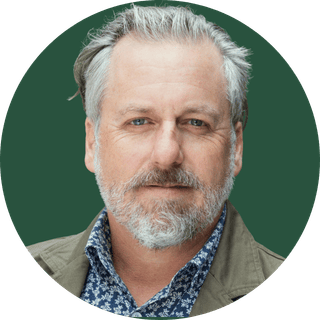
Andrew Penn
Andrew Penn is a psychiatric nurse practitioner and Professor at the University of California-San Francisco School of Nursing, where he teaches psychopharmacology. He is also cofounder of OPENurses, a professional organization for nurses interested in psychedelic research and practice.
TPP: Why do you think nurses are well-placed to be involved in the potential rollout of psychedelic therapies?
Penn: Nurses comprise the largest group of licensed healthcare practitioners in the US, with over 5 million Registered Nurses in the US alone. Nurses have been the most trusted profession in the US for 24 consecutive years. The public has entrusted nurses to be at their side during transitions such as giving birth, serious medical procedures and illness, and dying. Patients respect and trust nurses to maintain a vigilant, respectful, and professional presence while at the same time intervening when necessary, guarding their safety, and ability of nurses to monitor for physiological and psychological distress in a patient undergoing a psychedelic treatment.
Nurses were involved in pre-prohibition psychedelic treatments and have been part of contemporary psychedelic trials. Having nurses as key monitors for psychedelic treatment sessions frees other professionals, such as psychotherapists, to provide care before and after sessions in a team-based care model.
TPP: Do you think the FDA and other regulators are receptive to this?
Penn: The FDA is interested in patient safety, and who better to maintain the safety of a patient undergoing psychedelic treatment than a nurse? A nurse present in the room during treatment allows for monitoring for both physiological and psychological distress (and when indicated, to thoughtfully intervene). Additionally, the large number of nurses in the US allows for increased access and equity in the implementation of psychedelic treatments for patients. Nurses are already licensed and can easily be trained to provide this care, which can quickly address current workforce shortages of psychedelic clinicians.
TPP: How can nurses get involved?
Penn: I am a cofounder of the Organization of Psychedelic and Entheogenic Nurses (OPENurses.org), the largest organization representing all nurses interested in psychedelic treatments and care. We have successfully lobbied the FDA to include nurses in guidance for psychedelic researchers, host regular interviews with nurses working in the field, and provide a place for nurses to find one another. Additionally, for nurse educators, the University Psychedelic Education Project (UPEP.org), founded by nurse Sandy Samberg, trains faculty from schools of health sciences to be able to include psychedelic content in their curriculum.
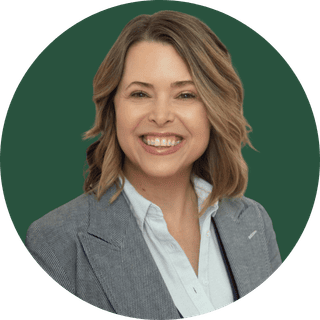
Dr. Heidi Allen
Dr. Heidi Allen is an associate professor of Social Work at Columbia University, where her research and teaching focus on health policy and economic security. She led the development of Columbia’s inaugural Master of Social Work Psychedelic‑Assisted Therapy (PAT) program, establishing a graduate‑level pathway for social workers entering this emerging field.
TPP: What are the biggest barriers to a diverse psychedelic practitioner workforce, and what is Columbia’s MSW programme doing to reduce those barriers?
Allen: Specialised mental health care is hard to access in America, even with generous insurance, especially when a specialty demands extra training, supervision, or separate licensing beyond core requirements. It’s unclear what FDA guidance for psychedelic medicine practitioners will ultimately require, but any added accreditation will raise the cost of maintaining licensure. Given high demand and limited supply, many providers will likely opt out of insurance altogether, practicing out-of-network instead.
Columbia School of Social Work is taking a different approach: embedding psychedelic therapy training directly within the MSW curriculum for students accepted into our Psychedelic Therapy Training Program (PTTP). By lowering the financial barrier to entry, we aim to graduate clinicians equipped to accept insurance—expanding access to economically diverse populations rather than restricting care to those who can pay out-of-pocket. We’re also offering a Psychedelic Therapy Minor open to all interested MSW students, broadening exposure beyond the PTTP cohort. Our goal is a larger, more diverse, and highly qualified psychedelic therapy workforce ready to meet growing needs.
TPP: Why do you think the PAT rollout needs providers from a range of disciplines and levels of familiarity with the field—and why are social workers particularly well placed within that mix?
Heidi Allen: Psychedelic treatment requires a coordinated team, with distinct roles suited to different disciplines, each professional working squarely within their scope of practice. We need two things: a workforce trained to deliver psychedelic services directly, and broader baseline literacy among all mental health and medical providers, so they can knowledgeably advise clients on benefits and risks and refer them to safe, legitimate care.
Social workers are well-positioned to handle psychological intake and screening, preparation, in-session support or therapy, and aftercare and integration. This work requires partnering with an appropriate prescriber, and sometimes another discipline—such as nursing—when a transdisciplinary in-session dyad would better serve the health of the client.
I want to acknowledge the Psychedelic Education Partnership and the University Psychedelic Education Program for their vital work educating clinicians broadly about psychedelic medicine, helping build the foundational understanding this emerging field urgently needs across professions.
Going Global
Going Global is your round-up of developments from around the world, from policy reform and insurance coverage decisions to shifting cultural attitudes and global access initiatives.
U.S.
Four Months On: Assessing the Psychedelics Executive Order’s Early Impact
Since President Trump signed the psychedelics-focused Executive Order (EO) in April, some have questioned what has actually changed. But there have been some material actions. Within days of the EO, priority review vouchers were issued to Compass Pathways, Usona Institute, and Transcend Therapeutics (which has since been acquired by Otsuka) and FDA cleared an IND for the first-ever U.S. trial of noribogaine. While there was something of a lull thereafter, we have since learned that Harvard will seek the same clearance for a NIDA-funded trial of ibogaine itself.
Elsewhere, progress is less clear. On Right to Try (RTT), authors of the JAMA Viewpoint argue the EO is unlikely to meaningfully expand access as eligibility requires a life-threatening condition, which most psychedelic trials aren’t necessarily built around, among other limiting factors such as needing a Phase I study to have been completed (though there are plenty of psychedelic candidates that have completed Phase I).
The rescheduling mandate doesn’t add much either: it’s not far off from the existing requirement for DEA to make a scheduling decision within 90 days of FDA approval. As the authors put it, the EO primarily “repackages the federal government’s existing authority.” On reimbursement, they flag that the models required—Medicare, Medicaid, and private insurer policy among them—still need to be built, and that the EO addresses neither clinical adoption nor patient access; that work still lies ahead.
It’s a mixed bag, then, but it is difficult to argue that the EO didn’t provide impetus for agency action. Since its signing back in April, a whole alphabet soup of federal bodies have sought to publicise their psychedelics-related actions, from ARPA-H to HRSA.
Budget Blues: Oregon Merges Psilocybin and Marijuana Programs, Doubles Fees, to Close Deficit
Oregon Health Authority (OHA) will merge its Psilocybin Services program and Medical Marijuana Program, both of which are facing budget shortfalls. To help close the deficit, OHA has proposed doubling OPS licensing fees: centres and manufacturers’ would rise to an estimated $20,000 annually, facilitators to $4,000. The alternative, the state subsidising the program directly, raises its own sustainability questions, given that the program continues to serve a disproportionately wealthy, often out-of-state client base: Q1 2026 saw its highest average annual client income yet, at over $170,000.
This also comes at a time when the latest cut of OPS data for Q1 2026 shows the lowest client footfall on record (952 clients), down nearly 40% from the same period last year (1,509 clients). For now, the majority of licensees are renewing, but Psychedelic Alpha expects that to reverse if the fee increases go through and demand for services continues to dry up.
Three’s Company: Massachusetts Bill Would Let Three Clinics Offer Psilocybin
Last month, Massachusetts House of Representatives passed a $561 million bill, part of which would see a 5-year pilot program permit up to three licensed mental health clinics to offer ‘naturally occurring’ psilocybin. The program, overseen by the state’s Department of Public Health, is still awaiting multiple sign offs before it becomes law.
New Rules: Colorado Updates Natural Medicine Rules
Colorado has released an updated set of Natural Medicine Rules (effective July 1, 2026), which introduce a limited number of regulatory and financial changes from the initial 2024 framework:
- Operationally, Healing Centers must now submit session data at least quarterly, marking a change from the 2024 rules which only mandated annual submission of session logs.
- Healing Center annual fees, which currently sit at $8,000 including a $1,000 renewal fee, are set to rise to $10,500 in December 2026.
- Natural Medicine Product Manufacturer fees, which also currently sit at $8,000, will increase further still, rising to $11,000 at the end of the year.
- Facilitator fees will remain at $400 annually for most, however those who run a business (e.g., a healing centre) will see an increase from $750 to $1,000, also coming into effect in December.
However, even at these higher rates, Colorado’s costs will remain modest compared to Oregon’s Psilocybin Services (OPS) program, where annual fees are expected to reach $20,000 for service centers and $4,000 for facilitators (see ‘Budget Blues’, above).
Europe
PAT-Maxxing: First Patients Dosed in Germany’s Compassionate Access Program
The first patients with treatment-resistant depression (TRD) have now received psilocybin as part of Germany’s Psilocybin Compassionate Access Program, the first of its kind in the European Union.
Speaking with Psychedelic Alpha, Lea Mertens and Dr. Andrea Jungaberle—both at the centre of the project—described a model that, unlike clinical trial frameworks, lets clinicians extend preparation and integration for as long as needed, with the option to re-dose where appropriate. Jungaberle notes that having this option “takes the pressure off people” as there’s less focus on getting it right in a single session.
The program at Jungaberle’s site—OVID, a private clinic in Berlin—runs counter to many clinical trial protocols, which tend to strip care back to a minimum. There, patients who receive psilocybin might do so in the context of 50–100 hours of psychotherapy, alongside body, art, and music therapy. At OVID, reimbursement has also been built into the model from the outset, with some private insurers having already agreed to cover treatment. The team is separately raising patient grants to cover those without private insurance. At Mertens’ site—the Central Institute of Mental Health (CIMH), a public hospital in Mannheim—the goal is for all treatment to be covered by public insurance, with around 700 people having expressed interest.
Research Radar
Here, we dive a little deeper into some of the most pressing research topics shaping the world of psychedelic practice.
What Does Competence Look Like? Monash Framework Weighs In
As the field moves closer to the legal rollout of psychedelic-assisted therapy (PAT), a key question remains: what competencies should be expected of the therapists who will deliver it? A group of researchers and therapists from Monash University in Melbourne have put together a new framework outlining the professional competencies psychedelic therapists should uphold, in an effort to answer this question.
The Psychedelic Practitioner spoke with Georgia Ioakimidis-MacDougall, part of the Monash research team behind the framework, about why it was needed, how it was built, and what they hope it will enable.
The project, which commenced in 2023, began at a time when “psychedelic therapy was expanding rapidly, but there was no widely agreed description of what psychedelic therapist competence looked like,” Ioakimidis-MacDougall told The Psychedelic Practitioner (TPP).
The overall aim involved creating “a shared reference point for the field” that succinctly outlined the “knowledge, skills, attributes, behaviours, and values needed to deliver safe, effective, and ethical psychedelic-assisted therapy”, she added.
The framework was developed using a Delphi consensus process that brought together insights from 40 leading international experts in psychedelic therapist training. They included names like Max Wolff, Chantelle Thomas, David Erritzoe, Helena Aicher, and James Rucker. Over the course of 18 months and more than 1,000 comments, experts shared “hard-won lessons from clinical practice, research, and training,” Ioakimidis-MacDougall says, in an effort to formulate a finite number of competencies for inclusion in the framework.
The framework comprises five core domains and one ‘co-therapy’ supplementary domain, with only those included that reached 70% consensus among the experts:
- Foundational knowledge: understanding mechanisms of therapeutic change, safety and risk management, subjective psychedelic experiences, and the historical and cultural context of psychedelic use.
- Relational skills and attributes: the capacity for sustained therapeutic presence, unconditional positive regard, empathic attunement, and working consciously with transference and countertransference, which the framework notes can intensify and move faster under psychedelics than in standard talk therapy.
- Clinical reasoning: judging suitability, tailoring treatment plans, and examining one’s own beliefs, triggers, and vulnerabilities as they bear on the work.
- Clinical skills: the practical craft of the work itself, including psychological preparation, holding the psychedelic dosing sessions, navigating physical contact appropriately, and supporting clients through both challenging and metaphysical or mystical-type experiences.
- Ethical and professional practice: including the particular ethical demands of working with clients in heightened states of suggestibility and vulnerability, and the complexities of informed consent when the effects of a session are, by their nature, not fully knowable in advance.
‘Co-therapy’ serves as a supplementary domain, addressing the relational skills required to work effectively alongside another therapist, from role clarity to navigating dynamics within the client-therapist-therapist triad. It remains supplementary to reflect that the field is still working out whether two-therapist models will remain standard as delivery approaches diversify. Some Monash researchers involved with the framework development also recently published the first qualitative study exploring participants’ experiences with and perceptions of the co-therapy model in a psilocybin-assisted therapy trial for generalised anxiety disorder (Ham et al., 2026).
When asked about areas of challenge or complexity during the process, Ioakimidis-MacDougall noted that although integrating such a broad and diverse range of voices into a framework “initially felt daunting,” these divergent perspectives strengthened the framework most, helping to clarify the essence of a competency or “revealing how multiple competencies must be calibrated in complex clinical situations.”
The framework serves to benefit various stakeholders, as Ioakimidis-MacDougall explains: “For therapists, it offers a roadmap for development. For educators and organisations, it provides a common reference point for training and standards. And for the broader healthcare system, it helps support the safe and thoughtful integration of psychedelic-assisted therapy into routine practice”.
Asked about her hopes for the framework’s future evolution, Ioakimidis-MacDougall told TPP: “We hope the framework becomes a living resource for the field.”
Latest Conversations: Five New Interviews
Psychedelic Alpha has published a number of interviews since our last Issue.
- Journalist Kimon de Greef speaks with Psychedelic Alpha Editor Josh Hardman about his latest book, ‘Ego Trip’, a narrative non-fiction account of the history, mythology, and economy of 5-MeO-DMT and the Sonoran Desert Toad that produces it.
- Psychedelic Alpha’s Alice Lineham sat down with Grace Blest-Hopley at The International Conference of Psychedelic Research (ICPR) to discuss the importance of developing female-inclusive psychedelic frameworks.
- Psychiatrist Marcos Lago discussed the psilocybin for Alzheimer’s case report that went viral (more below in Findings in Brief).
- We also heard from Lea Mertens and Dr. Andrea Jungaberle who reflect on the first few patients who have been through Germany’s psilocybin compassionate access program (more in Going Global, above).
- Finally, Hardman spoke with Joji Suzuki from Harvard Medical School to learn about his group’s NIDA-funded effort to launch a multi-phase ibogaine for opioid use disorder study in the U.S.(more below in Findings in Brief).
Findings in Brief
NIDA Funds Ibogaine Study: Harvard Researchers Aim to Start First U.S. Trial of Ibogaine. The National Institute on Drug Abuse (NIDA) has agreed to provide up to $11 million in funding to support a multi-phase project investigating ibogaine for opioid use disorder (OUD) at Mass General Brigham Hospital at Harvard University.
The principal investigator, Dr. Joji Suzuki, who spoke to Psychedelic Alpha last month, said the initial goal is to secure investigational new drug (IND) clearance for the first trial of ibogaine in humans. IND clearance has been an elusive goal for researchers, advocates, and drug developers alike, hampering the ability to trial the drug in the U.S. Regular readers will remember that IND clearance was given to DemeRx for noribogaine, an ibogaine metabolite, earlier this year.
Return to Sender: Trip-Focused Integration Aids Long Term Benefits. A recent observational study found that participants who attended a psilocybin retreat followed by Acceptance and Commitment Therapy (ACT) showed stronger outcomes after ACT than the initial retreat. Two subsamples also emerged showing that those who focused on a specific type of ACT known as Psychedelic Memory Network Reexperiencing (PMNR), involving guided imaginal return to traumatic material that surfaced during the psychedelic experience, maintained significant improvements in anxiety, wellbeing, and openness for 12 weeks. In this same period, those in the other group, which focused more on self-perspective taking and did not centre imaginal exposure, gradually returned towards baseline.
The authors note the possible benefits of imaginal exposure by addressing traumatic memories and difficult affect, as well as the contrast of such an approach to the more “supportive” integration models now common in psychedelic settings.
Do the Math: Veterans Study Finds IM Ketamine Equivalent, Far Cheaper. A recent retrospective analysis of 179 veterans with treatment‑resistant depression compared eight sessions of intramuscular (IM) ketamine with intranasal (IN) esketamine. IM ketamine was non‑inferior across all primary outcomes, the study reports, showing equivalent reductions in depression and PTSD symptoms as well as comparable rates of adverse events. A cost-difference analysis, meanwhile, revealed a marked disparity: eight treatments of IN esketamine averaged $6,069, compared with $647 for IM administration, representing a nearly ten-fold difference. We previously detailed available research in the ongoing ketamine vs. esketamine debate in Issue 2 of the Psychedelic Practitioner.
Consent in Question: Viral Psilocybin-Alzheimer’s Case Draws Ethical Concerns. Various media outlets have featured a recent case report describing an elderly woman with Alzheimer’s disease being dosed with 5 grams of psilocybin mushrooms. The report noted the emergence of “spontaneous autobiographical speech”, along with functional gains including restored urinary continence, improved gait, and social engagement. Concerns, however, have centred around the participant’s limited capacity to provide informed consent.
Speaking with Psychedelic Alpha, the psychiatrist involved cautioned against both “uncritical enthusiasm” and “automatic dismissal,” emphasising the need for independent, systematic investigation. Notably, the Johns Hopkins group currently running a trial of psilocybin to treat depression in individuals with mild cognitive impairment or early-stage Alzheimer’s disease is not observing such dramatic effects. Meanwhile, the National Institute on Aging recently publicised a planned study aiming to look at if psilocybin can improve cognitive training in patients with mild cognitive impairment or mild dementia due to Alzheimer’s disease.
Mixed but Meaningful: Psilocybin Trial in Anorexia Shows Variable Gains. A study out of Imperial College London found that COMP360 psilocybin, delivered alongside talk therapy, produced significant improvements in eating disorder symptoms in 21 women with anorexia nervosa, though the authors noted considerable variation in outcomes and in how well gains held up during the follow-up period. This latest study builds on and is generally consistent with prior psilocybin for anorexia nervosa research.
Progress Across the Pond: NHS Trial Adds to Psilocybin’s Evidence Base. Although this Issue has focused primarily on the launch of psychedelic-based treatments in the U.S., a recent double-blind randomised-controlled trial (RCT) conducted at a National Health Service (NHS) site in England evidenced noteworthy findings. The results, showing a -10.41 MADRS difference in the psilocybin arm compared to the placebo group, provide preliminary data that may be used to support future discussions surrounding the potential integration of psychedelic treatments into UK public healthcare.
Ethics Corner
Each Issue, Eddie Jacobs and Bryony Insua-Summerhays explore an ethical question or topic as it pertains to psychedelic practice.
Provisioning The Final Ascent
It’s been 20 years since the publications that arguably started us on the climb towards a psychedelic healthcare ecosystem, and with the first drug licensings imminent, the mood in some quarters of the field is summit-adjacent. But a licensed drug is not a resolved ecosystem. What’s in sight might better be understood as base-camp: the point from which the hardest ascent must be provisioned and prepared.
The most visible issue of preparing the psychedelic workforce is arithmetical—how many practitioners, trained to what standard, and how fast. Although Oregon’s supported adult use model is non-medical by design, the figures emerging are instructive in the challenges of managing the safety-access trade-off.
But the workforce problem is not simply arithmetical, because the key deliverable for psychedelic therapy going mainstream isn’t just the right number of certified practitioners to meet demand, it’s an infrastructure that can maintain a trajectory of increasing competence, can minimise things going wrong, and can effectively respond when they do. This is how certification works everywhere that it does: a surgeon’s credential is trusted because it sits inside audits, morbidity review, and revalidation. This will be doubly important for psychedelic practice given the lacunae in the current evidence base: no dismantling studies specify which parts of psychedelic therapies make it safe and effective, while trials mostly don’t report the psychosocial support that is provided. Every practitioner is, to some degree, working from assumptions that evidence has yet to confirm.
Learning as we go
The storehouses of psychedelic expertise likewise come with uncomfortable gaps. Extralegal and ceremonial practitioners, by virtue of sitting outside of systems, cannot point to systematically recorded adverse outcomes or establish rates, while trial practitioners built their record with a belt-and-braces, high safety floor that would only be reproduced in routine care if it prices out (by cost or by scarcity) many of those who would most stand to gain from psychedelic treatment. The variety and clinical complexity of patients likely to present after licensing is not confidently represented by either record—we will very much be learning as we go. The early evidence suggests that this learning is harder than it might look. Australia’s Authorised Prescriber Scheme has drawn criticism for moving to implementation before protocols and training standards were in place.
Even with serious and widescale institutional commitment, expanding training provides no guarantees. Intake to the clinical psychology doctorate in England has roughly doubled since 2019, a commitment made in better financial weather and now delivering graduates into a system where mental health funding is under pressure. Training places are bought nationally, on multi-year contracts, years before the graduate appears. The services meant to employ them are bought locally, one year at a time. Nothing joins the two decisions.
The public rollout of psychedelic treatments is an organisational intervention as much as it is pharmacological or psychotherapeutic: delivering at scale the requisite clinical time, premises, supervision, medical cover, referral and safeguarding frameworks, insurance, clinical governance, follow-up and sustainable employment is a highly complex undertaking that makes the journey to Phase 3 trials look simple. It will not be done well in one sweep.
Beyond certification
While certified practice will help standardise knowledge and establish a common vocabulary, certification is not the sine qua non of safe and effective practice. Reliability-to-strangers is the commodity that a public roll-out runs on—the patient choosing a practitioner, the regulator licensing them, the service employing them. Widening confidence in psychedelic practitioners beyond the bubble of the converted will need the infrastructure that sustains effective practice elsewhere: supervision, outcome monitoring, clinical governance and external scrutiny. Without feedback, a clinician may not stagnate; rather, they are liable to rehearse the same mistakes with steadily increasing confidence.
Resisting the easy allure of metaphors of connection and mycelial networks—what will secure confidence in the practitioners in the room might ultimately be made up of the practitioners around them. This might be a way to wriggle out from the dilemma of ‘registered clinicians only; unaffordable’ vs. ‘cheaper workforce; heightened risk’. One Oxford trial involved (unlicensed) psychology graduates in the room, but supported by full training, close supervision, with a consultant answerable for the whole, the latter with a licence on the line as an accountability safeguard.
One trial can’t tell us how the model will fare when routine care dispenses with other protections that make research study protocols unscalable. But it represents the kind of staging that any ascent to the final summit would benefit from: workforce flex, monitored and supervised, ready for cautious and monitored expansion.
Just as the best training of any psychotherapeutic practitioner is a monitored and supervised apprenticeship, learning the craft by exposure to the complexities of practice, it would be valuable to consider the post-licensing rollout the same way: not aiming at the immediate delivery of a ‘solved’ treatment approach, but the apprenticeship of a system: a slower-than-we-want period in which competence in both practice and supervision can be built case by monitored case, and the infrastructure of accountability tested by real concerns before the system is asked to bear the full weight of routine care. Rushing apprenticeships doesn’t provide competent practitioners faster, and any model that delivers the quality and quantity of psychedelic practitioners that patients deserve will refuse to deliver them quickly.
The impulse for urgency is not one to discredit—many who could be helped by psychedelic treatments are suffering now, and slower rollout is not cost-free. If rollout grows more slowly than demand, the cost is paid in waiting. But licensing tells us that treatments can work, not that delivery systems are ready. A period in which capacity grows more slowly than demand may be written off by some as a failure of rollout, but it is the only period in which safety and accountability practices can be tested at manageable scale. It will not come again.
Dr. Eddie Jacobs and Dr. Bryony Insua-Summerhays
Ethics Corner Writers

Thank you for Reading
Our next Issue will continue our focus on preparedness, this time turning to the systems and infrastructure required to support the rollout of these treatments.
Thank you for reading!
Alice Lineham and Josh Hardman
The Editors, The Psychedelic Practitioner
Subscribe to future issues
Practice-focused insights, delivered to your inbox.
Issues are currently published every other month. Join our free newsletter to receive them:
By signing up, you agree to our privacy policy. You can unsubscribe at any time.